
The best way to describe Georgia is it’s like if Italy was shrunk and spiced up with a touch of Asia, then dipped into a little Soviet sauce.
It may be simplistic and even unfair to the small but mighty country to liken it to Italy as it boasts so much of its own unique culture and history, but I couldn’t help find so many parallels between the two.
- Both have some of the most varied and beautiful scenery (only Georgia’s variety is more compact given its size). Alpine mountains, green valleys, thick forests, seaside, wine valleys dotted with picturesque hill towns – yes, Georgia has all of that too.
- Both can be proud of a rich, delightful cuisine with a love for cheese and wine, that make every meal a highlight. These countries are worth visiting for their food alone.
- Both are dotted with hilltop castles, old cobbled streets, remnants of ancient settlements and civilisation. Each has a wealth of cultural heritage and history.
- Both are known for warm, passionate and often loud citizens who know how to enjoy life, have strong family values and will go out of their way to help you (except maybe the more over-touristed spots in Italy).
The best way to describe Georgia is it’s like if Italy was shrunk and spiced up with a touch of Asia, then dipped into a little Soviet sauce
But Georgia sees a fraction of the tourists much of Italy has, and uniquely that special location on the cross-roads of the European and Asian cultures along with remnants of Soviet-time rule still prominent in places. And I’m certain that if you love Italy, you’ll love Georgia. In fact you’ll probably love Georgia in any case.
Being 1/4 Georgian I might be biased, but I genuinely believe it’s the ultimate hidden gem travel destination. The country is safe, welcoming, invitingly cheap and by all means ready to be explored. Let me share some of the most interesting things to add to your Georgia itinerary.
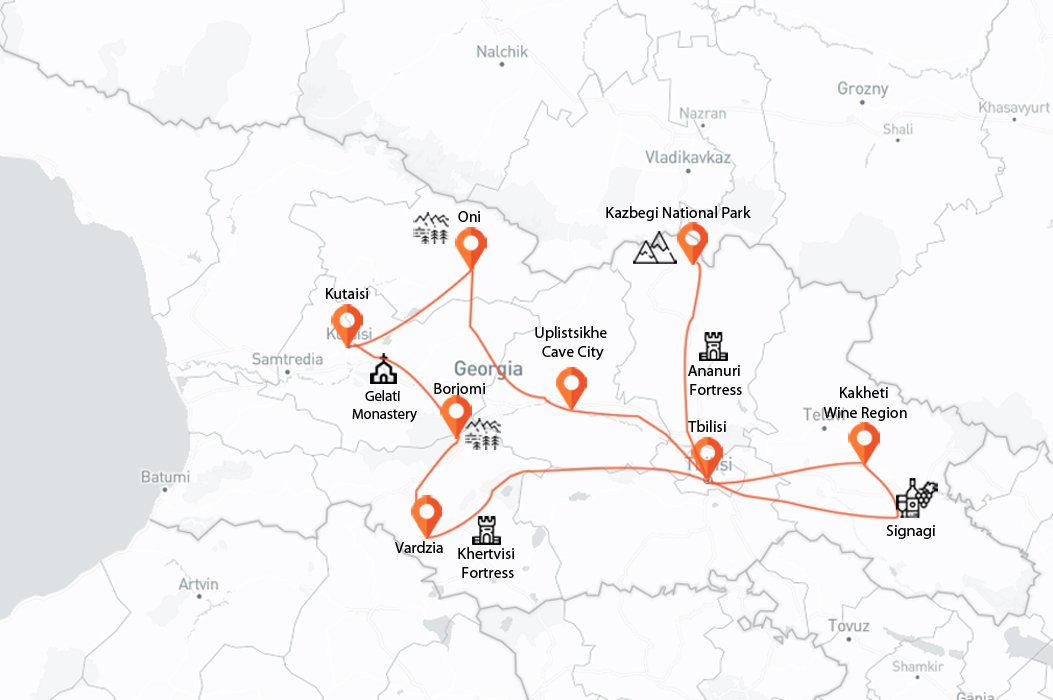
Suggested Georgia Itinerary
You’ll likely start from the capital Tbilisi, but there are some low-cost flights often going into Kutaisi as an alternative. This Georgia itinerary works well for 9-14 days, depending on your travel pace and access to a car – as road trip is the easiest way of getting around.
Tbilisi
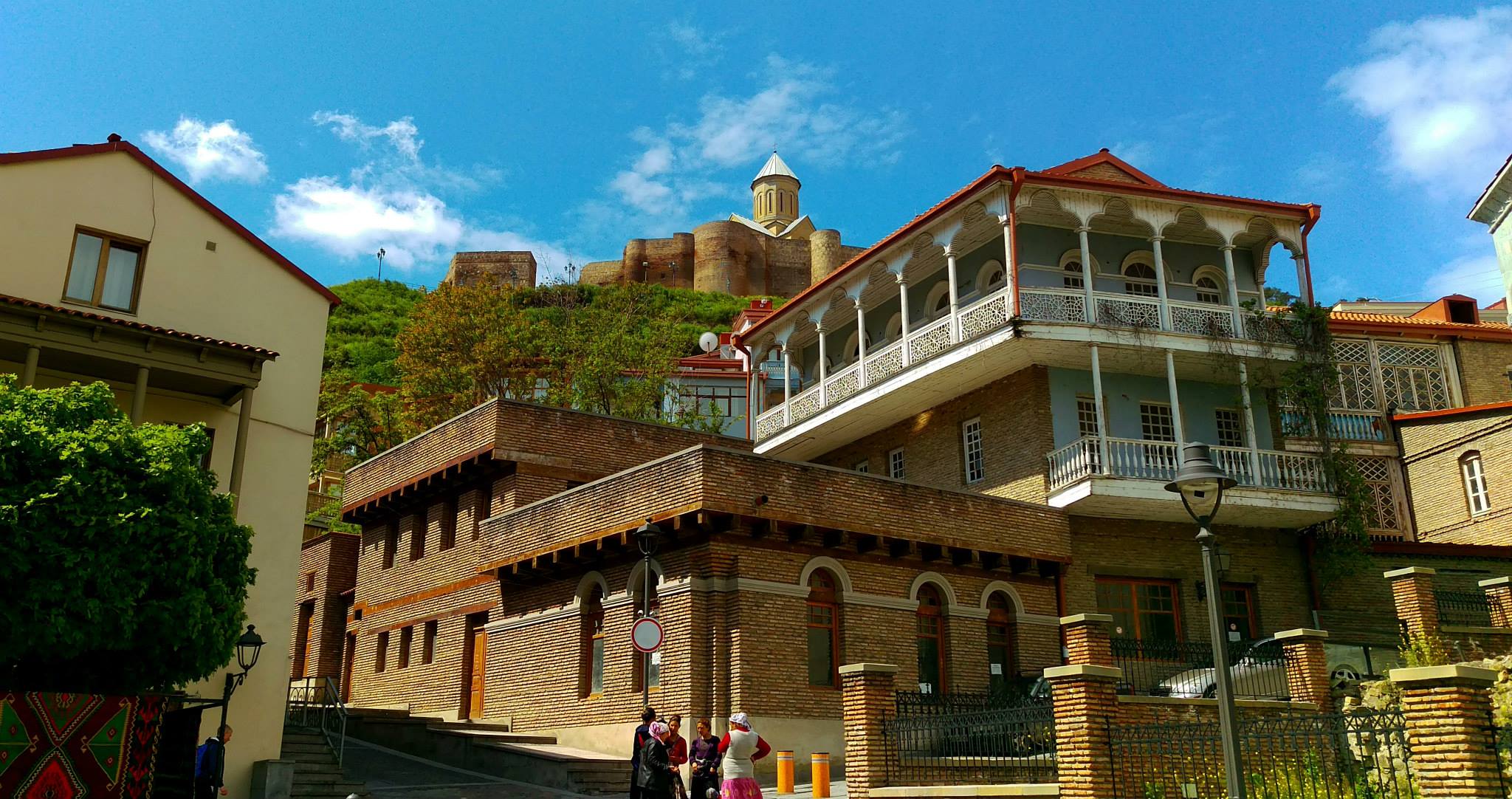
Let’s get the obvious out of the way. Tbilisi is one of the most interesting capital cities you’ll come across with so much to see, do and eat. It’s a particularly contrasting mix of old and modern. The city center, with its signature and sometimes wonky wooden balconies leaning over the streets is an area you’ll want to keep getting lost in, which isn’t hard. At the same time you’ll see plenty of modern, state-of-the-art architecture such as the futuristic Bridge of Peace or the Concert Hall which really give the capital a modern European feel.
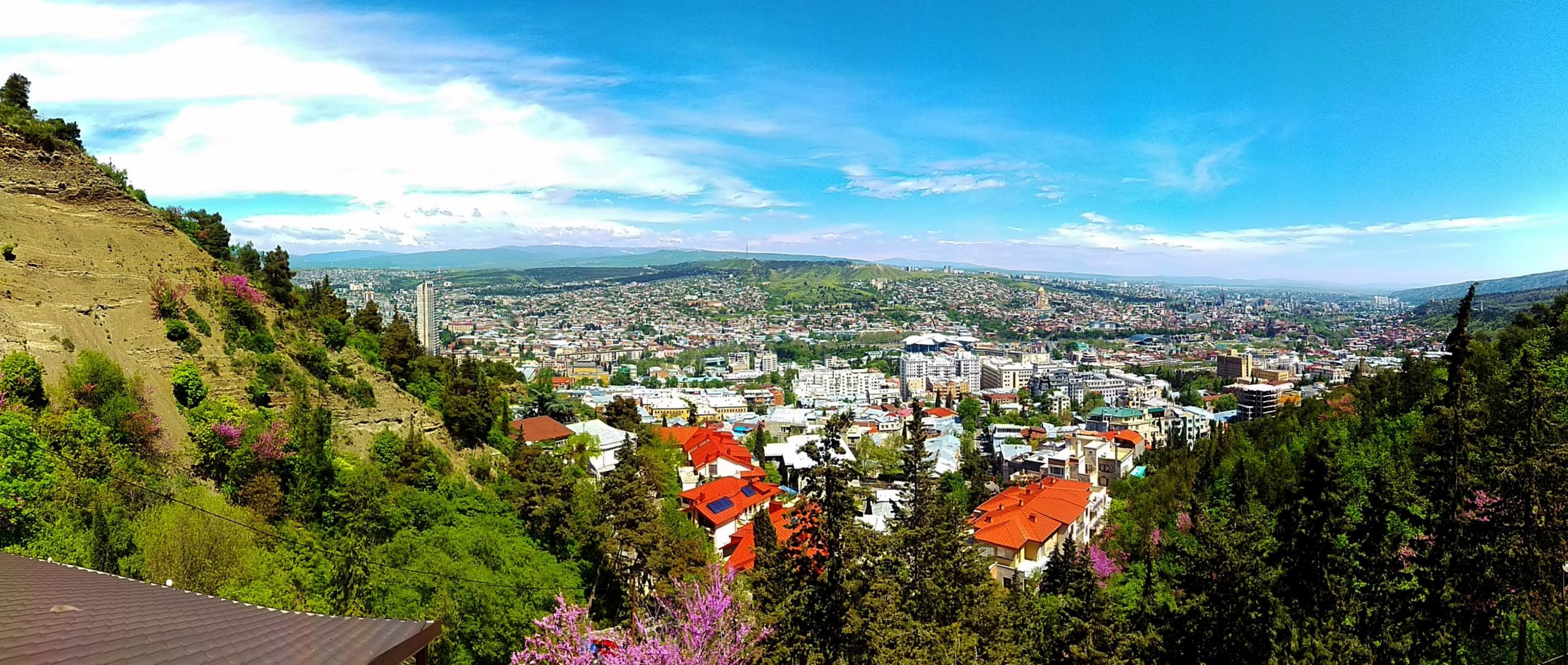
The capital has two particularly interesting vantage points I’d recommend. The first is Mount Mtatsminda, Georgia’s highest point, at the top of which you’ll also find an amusement park, restaurants and the TV Tower so clearly visible from anywhere in the city. If you don’t feel like a long and sweaty uphill walk the apt alternative is a smooth funicular ride. In fact funicular up, walk down is probably the best combo if time allows. The other vista is from Tbilisi’s fortress right in the center, again reachable by a short cable car ride from the riverside. If you catch the right time, you may witness a group of local blokes singing folk music in a mini-choir of sorts.
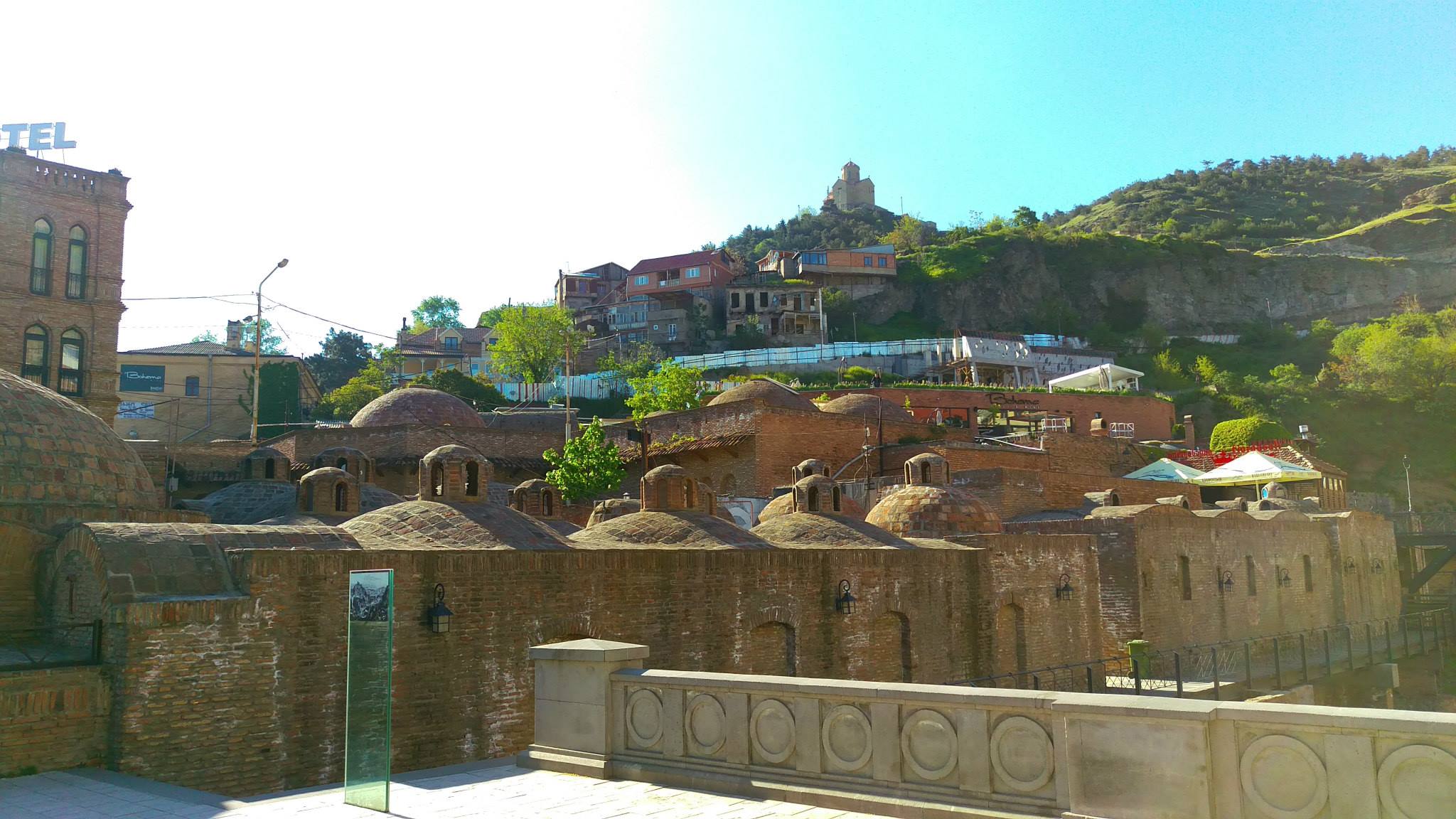
If you don’t mind the smell of rotting eggs, Tbilisi’s historic Sulfur Bathhouses with their breast-like rooftops are sure to be one of your most memorable things to do in the capital, whether or not you actually enjoyed it.
Food-wise you are spoilt for choice. From my experience almost every meal is an absolute delight but so substantial you’ll soon be saying that you won’t eat anything the next day. Lies! For khinkali, the must-try Georgian handheld dumplings, I recommend the always-buzzing Machakhela Restaurant with a variety of meat and vegetarian fillings to try.
Getting to Tbilisi
It’s probably your first port of call, being the main international airport with an ever-increasing range of direct flights from Europe (Istanbul usually being the most affordable transit route). If you arrive in Kutaisi, it’s around 3 hours by car on the motorway.
Kakheti: Georgia’s Wine Region
The land of Wine and Tuscan-like views

At the center of the vast wine valley in eastern Georgia is Signaghi, probably the most visited town in the region. Its picturesque location atop a steep hill, cobblestone streets and the red roofs mean you can’t help but feel you’re suddenly in the heart of the Wine regions of Central Italy. Parts of Signaghi look a little too renovated for the benefit of tourism, but the ancient walls surrounding it keep much of the authenticity intact. Once you’ve wandered around and visited local markets, be sure to partake in some local wine.
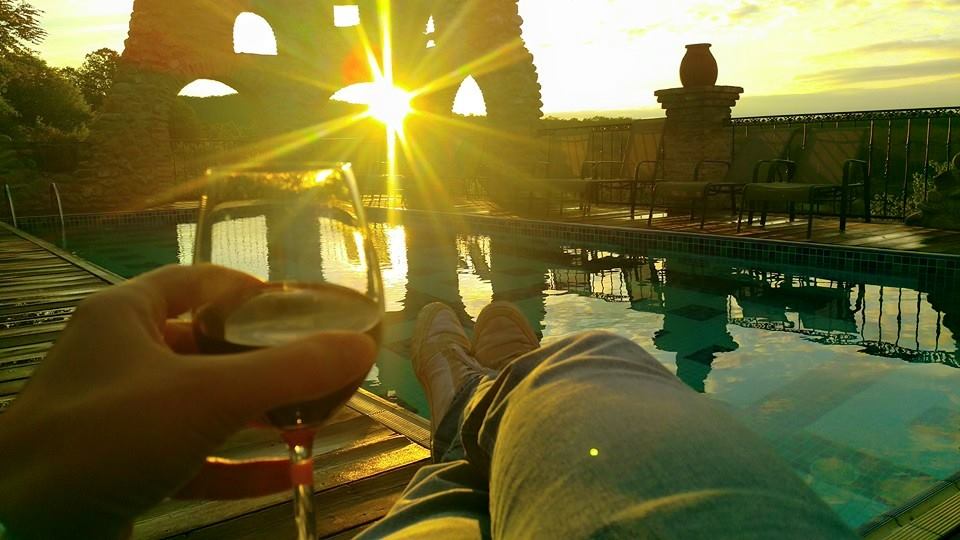
Talking of wine, one of the absolute highlights of the trip was accidentally stumbling across a winery hotel set in its own mini-fortress in the middle of the wine valley. Visitors are welcome even if you’re not a hotel resident, and if you’re lucky enough not to be driving there is plenty of their own mostly semi-sweet wine available to savour by the outdoor pool within the chateau walls. If you can, definitely consider staying there for at least 1 night for a pretty unique experience. The room to aim for would be the one atop a fortress tower!
Hotel Chateau Mere is near Kakheti’s main city, Telavi and around 90 mins’ drive from Tbilisi. A hidden gem, if there was any.
Getting to Kakheti
Kakheti is within 2 hours’ drive from Tbilisi, making it a nice day trip if you don’t have time to stay overnight and go full on with the wine. Otherwise there are always marshrutkas (routed shared taxis) that can get you there from Tbilisi departing every 2 hours.
Kazbegi National Park
Scenic drives, stunning Alpine views, hiking and skiing
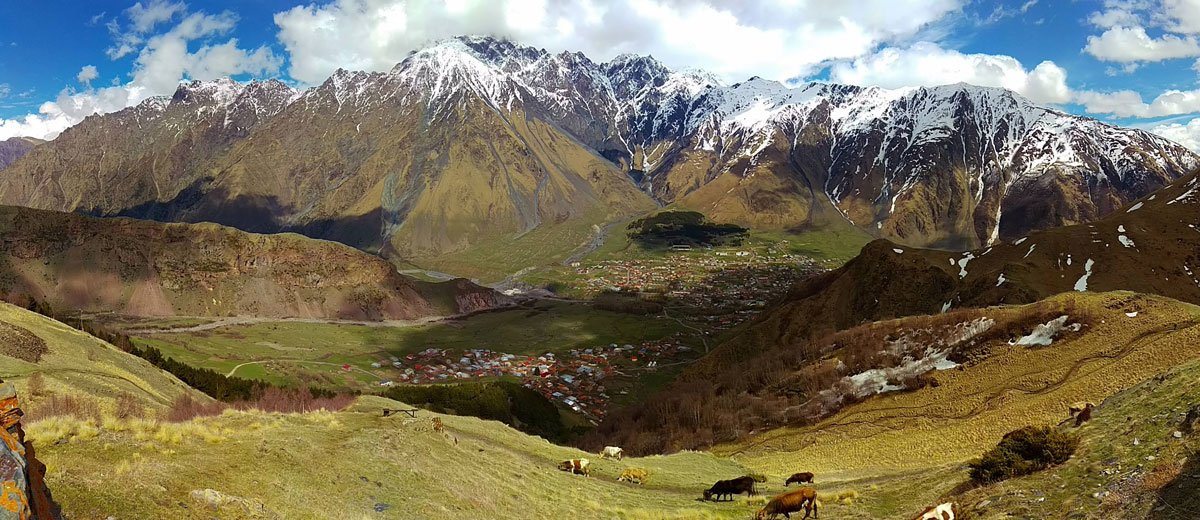
To the North of the country lies the Alp-like Caucasus mountains which split the border with Russia. This includes Mount Kazbegi itself, Georgia’s 3rd highest mountain at over 5,000m which gives its name to the surrounding national park. Running up through these parts is a lone, often windy military road connecting the two countries and one of the final stops before the border is the small town of Stepantsminda, mostly serving as a base for local activities.
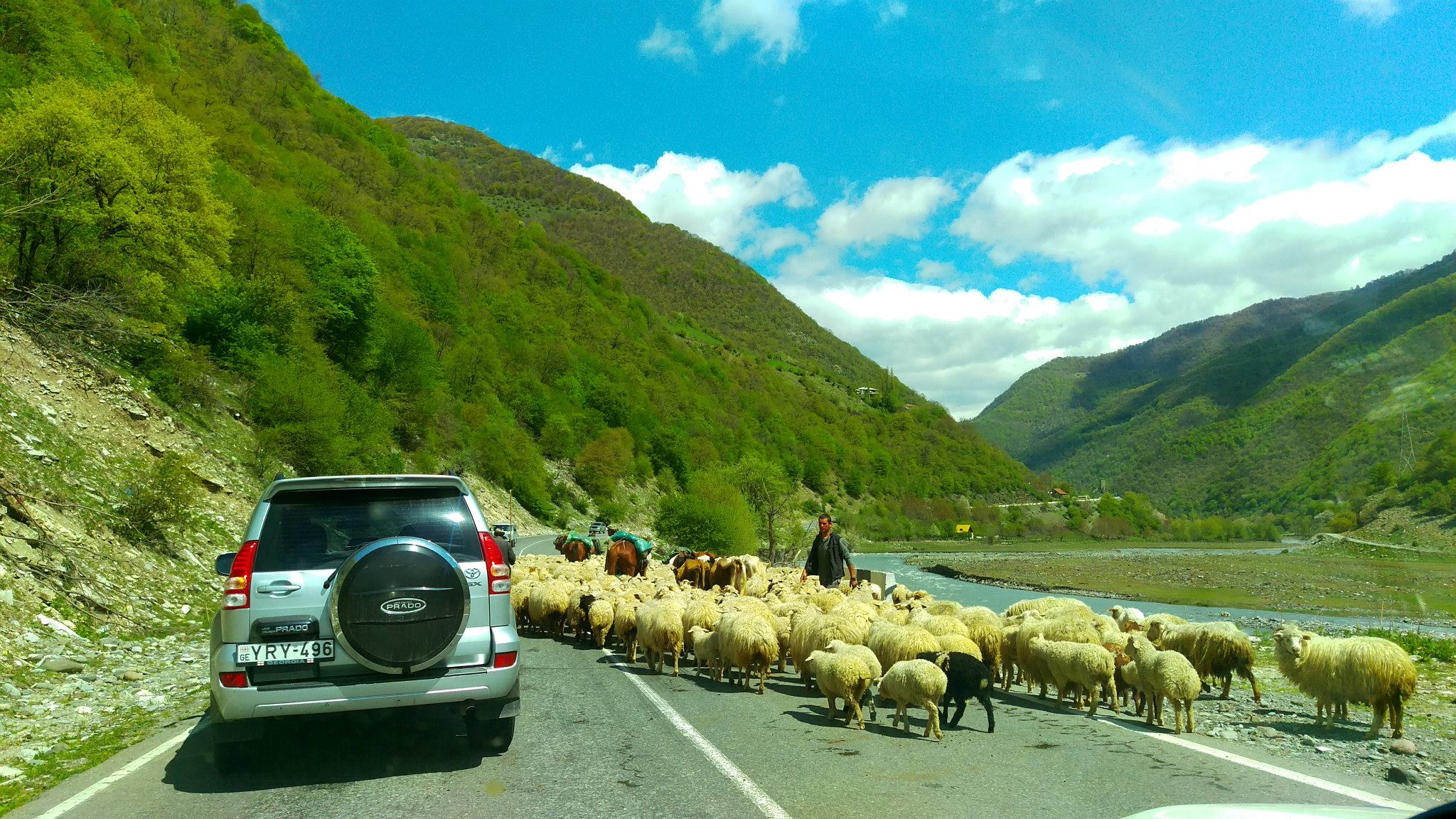
As a day trip from Tbilisi (leave early!), It’s the sort of destination where you get as much pleasure from the drive there and back as the actual end point. Much of the drive is stunning, with views that more than live up to the best Alps offers, herds of sheep taking over the road at times and the occasional old Soviet-era relics still dotted along the route. At times it’ll prove hard not to stop every 5 minutes. You’ll also drive past the active Gudauri Ski Resort – which in the winter months makes for an interesting and cheap alternative to Western European resorts in the winter months.
In Stepantsminda itself, if you’re here for the day and don’t have the time or desire for hiking then for the most stunning views hire one of the many 4×4 ready to take you up a very rough road to Gergeti Trinity Church – I wouldn’t recommend driving your rental car up there unless you crave adrenaline. As churches go, Gergeti enjoys one of the most dramatic backdrops with Kazbegi and its sister peaks looming over the valley in the background. A scattering of cows completes the idyllic setting.
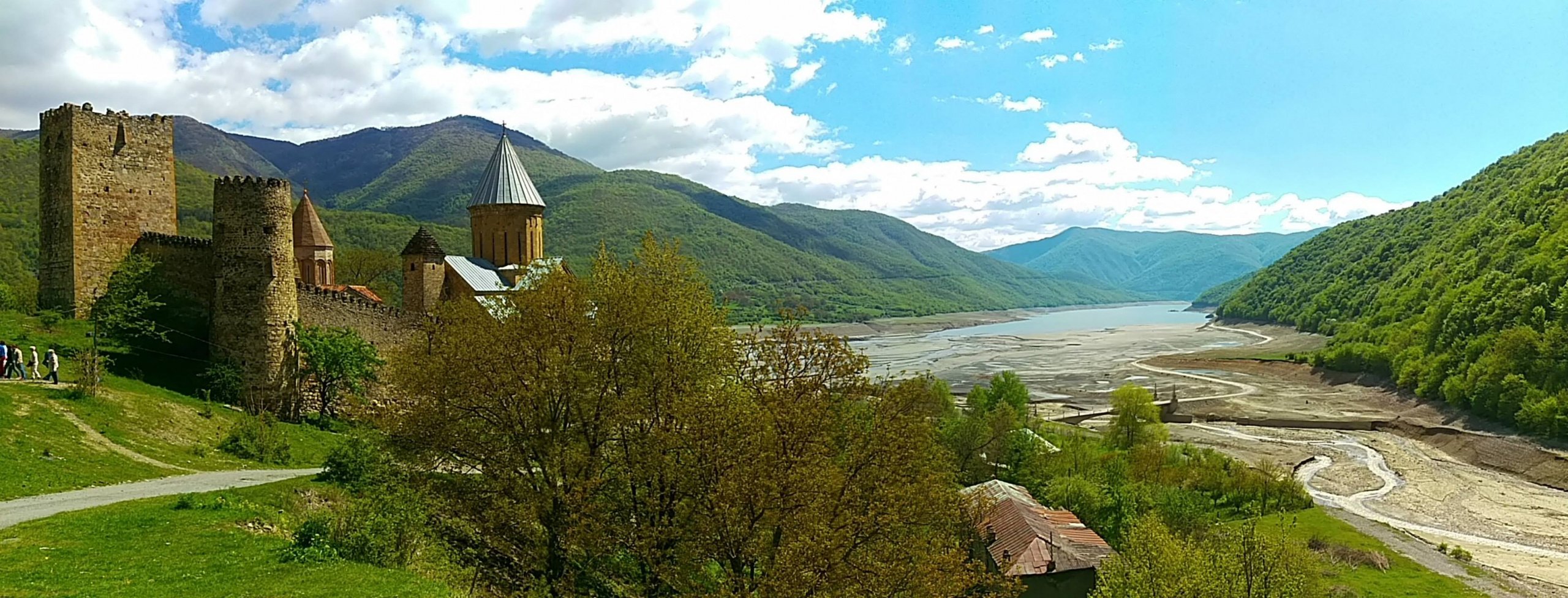
On the way there or back, stop by the Ananuri Fortress (right off the main road) for a welcome break, some handmade souvenirs or a bottle or two of homemade wine, ignoring the fact they’re sold in any old plastic bottle they could get their hands on.
Getting to Kazbegi
From Tbilisi it’s a 3 hour drive without stopping, although you’ll want to stop for the views every 10 minutes. And then there’s the occasional herd of sheep that takes over the road.
Kutaisi
A perfect base for exploring the surrounding Imereti Region
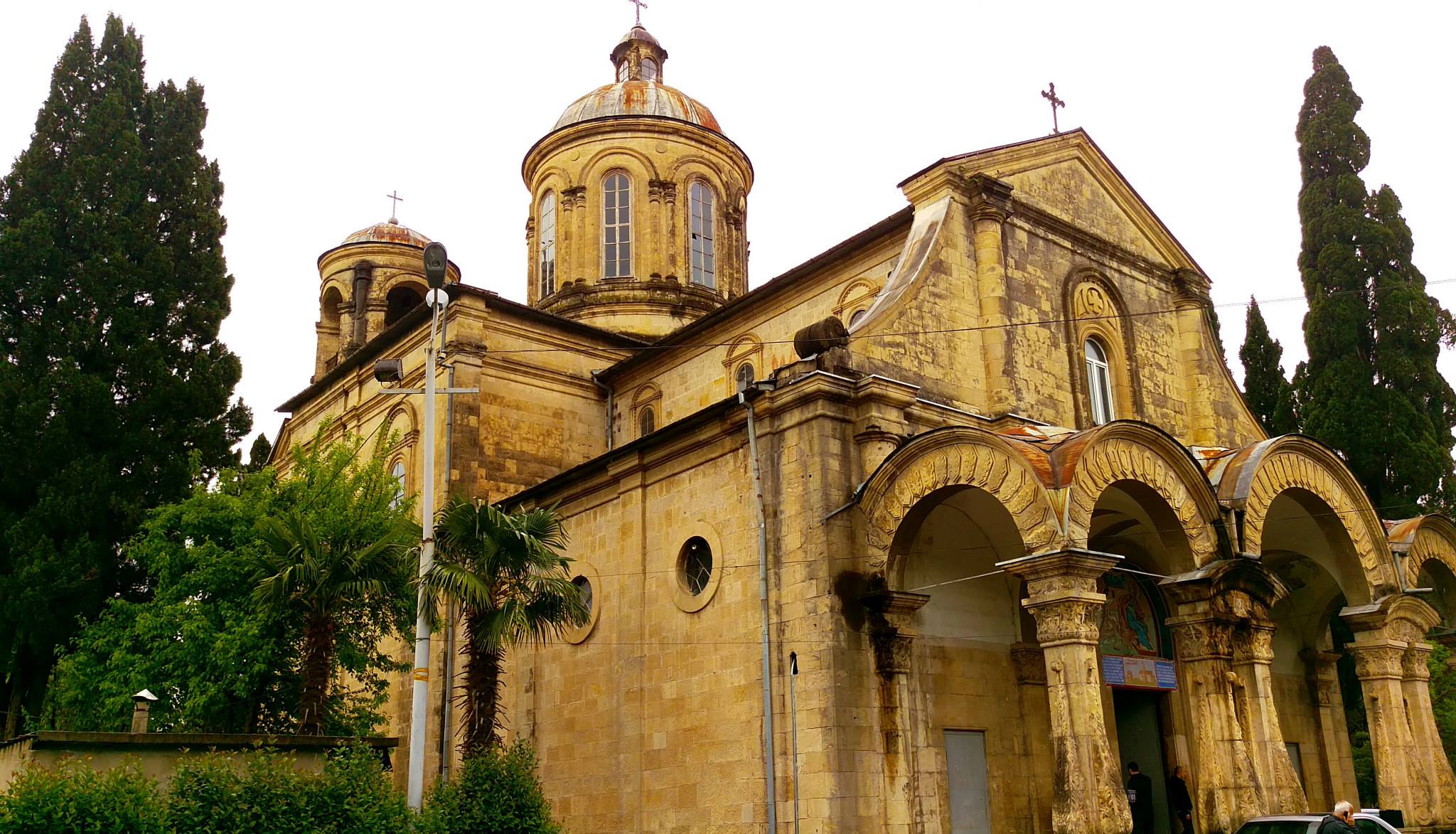
Georgia’s second most important city is charming in its own right and should be considered for your itinerary for a couple days, also doubling down as a nice base from which to discover Imereti Region.
It’s main landmark is probably the massive Bagrati Cathedral. Even if you don’t care about churchy things, the hill on which it sits provides a very decent view of Kutaisi. The other top landmark candidate is its impressive but somewhat odd Colchis Fountain, the design of which might split opinions but at the very least definitely interesting to check out.
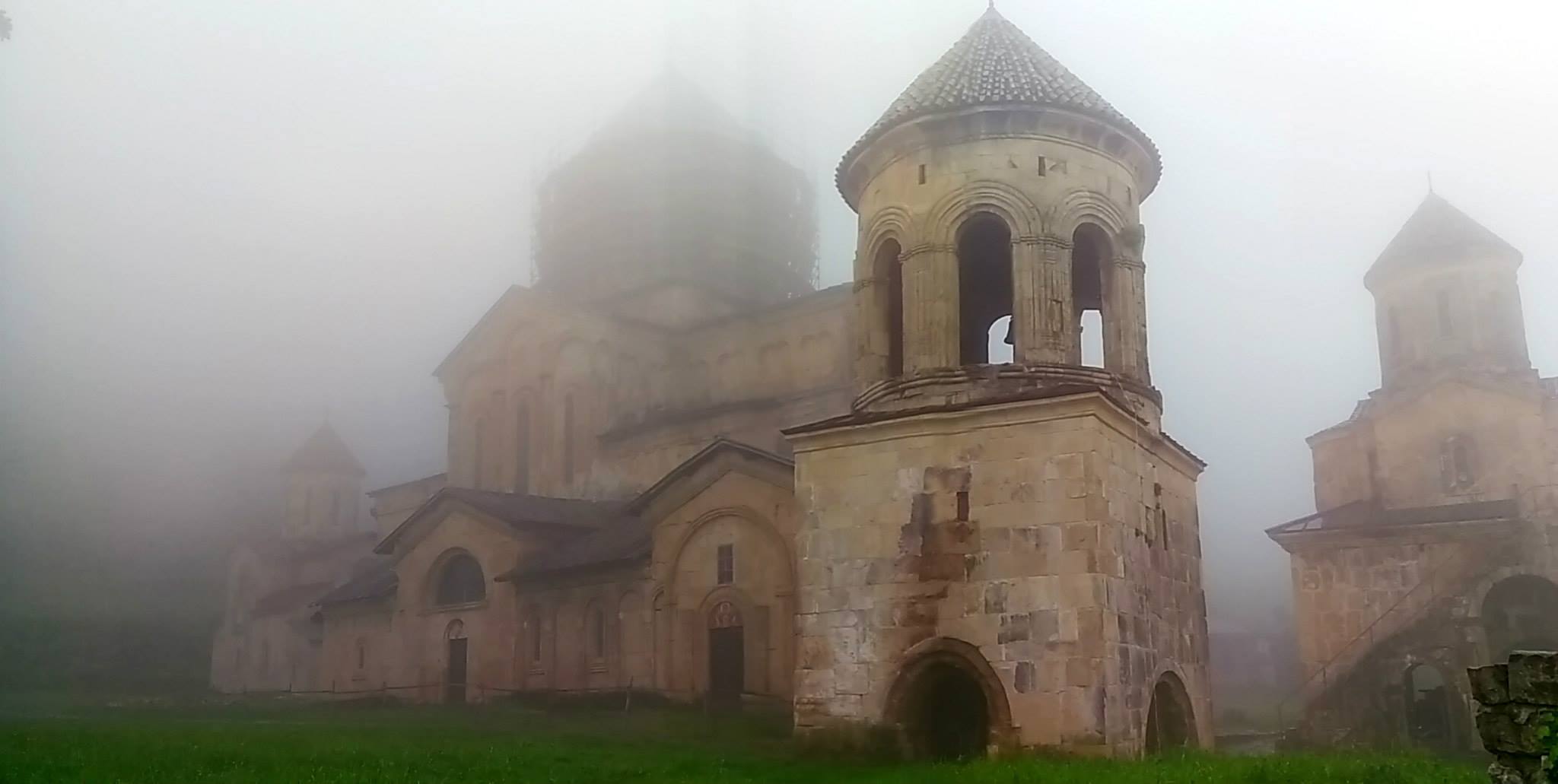
Once you’ve been charmed by Kutaisi, use it as a base for a trip or two in the surroundings. I really recommend the still-active Gelati Monastery – deservedly a UNESCO site – around an hours’ drive from the city. In Georgia you’re spoilt for choice with churches and monasteries, but there is something about Gelati and its location that made the ice-cream-sounding monastery my favourite of the lot.
Another great day out is the Prometheus Cave, only discovered in the 80’s. If you’ve seen too many stalactites and stalagmites to care about yet another cave, it’s also in a lush, hilly area with viewing platforms overlooking beautiful valleys for miles. You’ll also find some dinosaur footprints on the site although I still haven’t worked out if those were made up for tourists like the Loch Ness monster.
Getting to Kutaisi
Direct flights from some European cities by low-cost carriers (mostly Wizz Air), otherwise a 3-hour drive from Tbilisi. Combines well before/after Borjomi or the Racha Province below.
Oni, Racha Province
Some of the best and least-visited outdoors Georgia has to offer
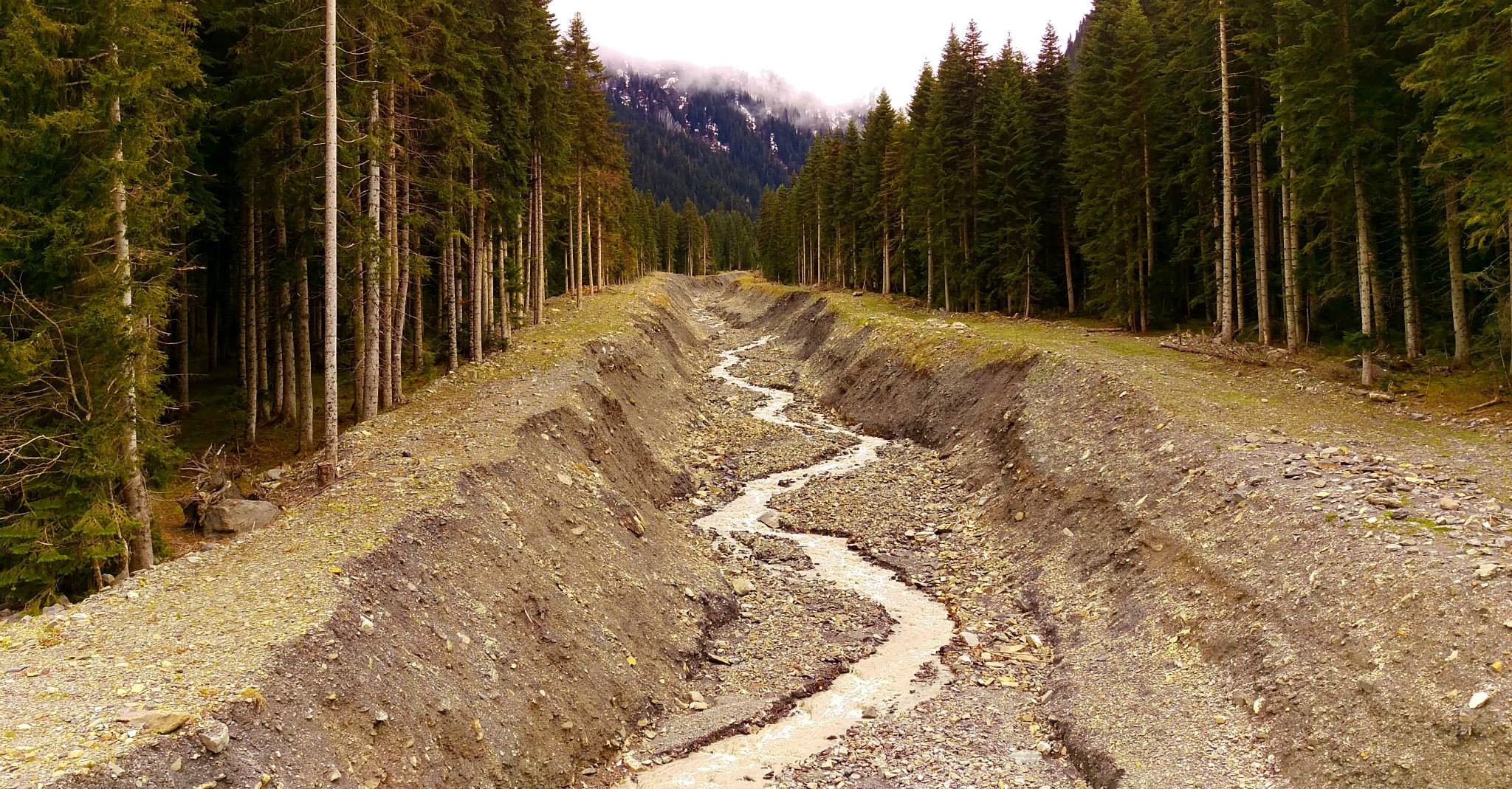
A less-visited and sparsely populated part of the country also makes it ideal for those looking to enjoy the outdoors essentially all to themselves. This ridiculously green, mostly forested area is rich with valleys nestled on the edge of the Caucasus Mountains, which makes for beautiful scenery and therefore a hidden gem for hiking of all levels.
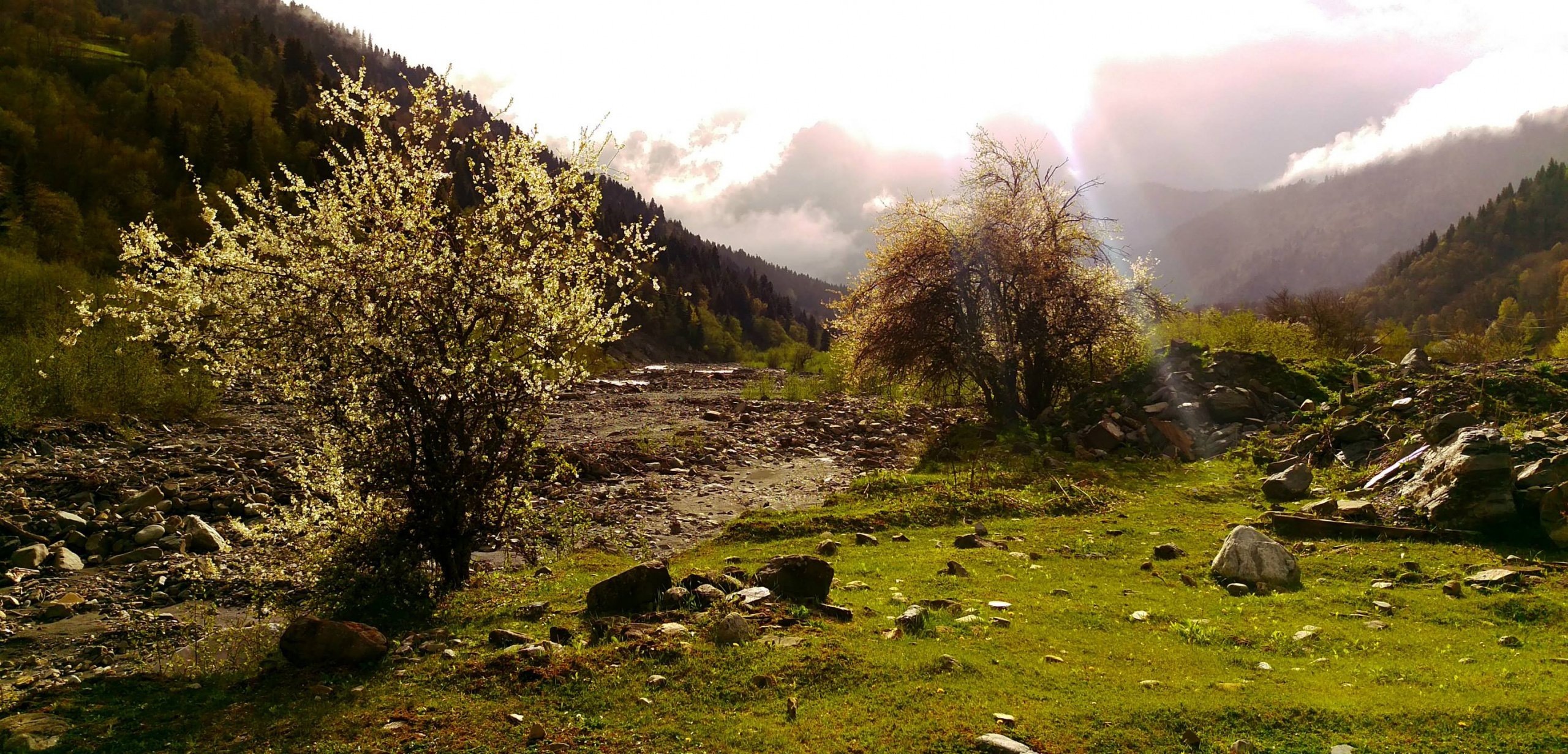
The city (more a town) of Oni itself is compact in size and quaint. Besides serving as a base for exploring the region it has a couple interesting bits of its own, especially (and surprisingly) the Oni Synagogue which happens to be the oldest active synagogue in the country. And if you ask the friendly locals, a short walk from the bridge over the Rioni River will lead you to a hot mineral water spring. Bring an empty bottle or two!
Getting to Oni
Oni is 2-3 hours from Kutaisi, and a mighty 5 hours from Tbilisi because the most direct routes runs through the self-proclaimed republic of South Ossetia, and you don’t want to drive through there.
Borjomi Valley
Famous mineral springs in a lush national park
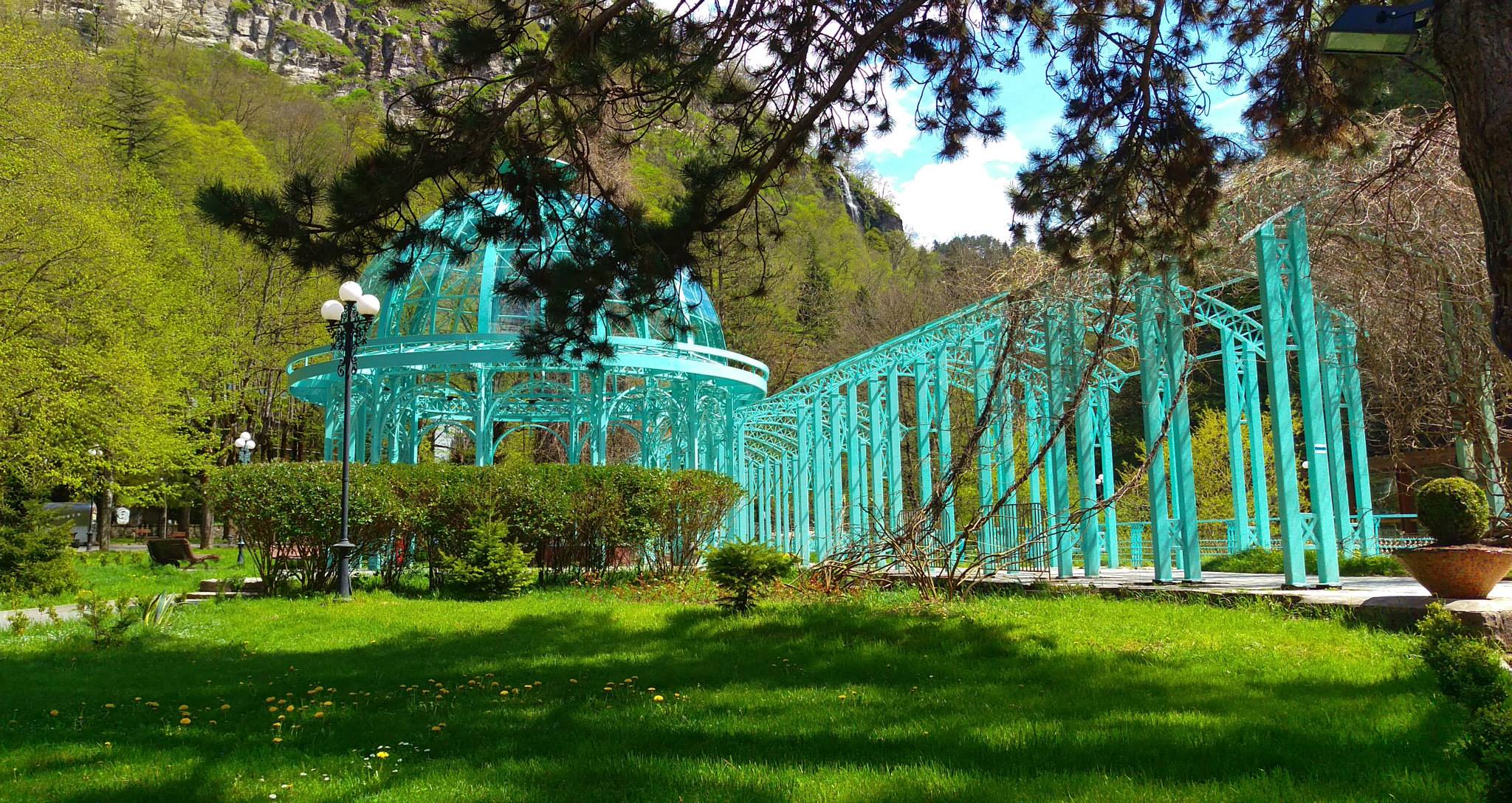
Borjomi is a picturesque resort town known to anyone in the former Soviet states, thanks to its famous fizzy mineral water with supposed curative properties by the same name. The “Borjomi” glass bottles were widely discovered and consumed by the Romanov royalty of the Russian Empire, before eventually being widely available across USSR. Being a former Soviet citizen, it was somewhat of a pilgrimage for me to get to the very source!
No visit to Borjomi is, of course, complete without filling a bottle or two of its famous water. It’s completely free although (hence) you might have to queue for a bit – people come with large bottles and even canisters. There are both cold and warm options, although be warned that it’s not the easiest to stomach and not to everyone’s taste.
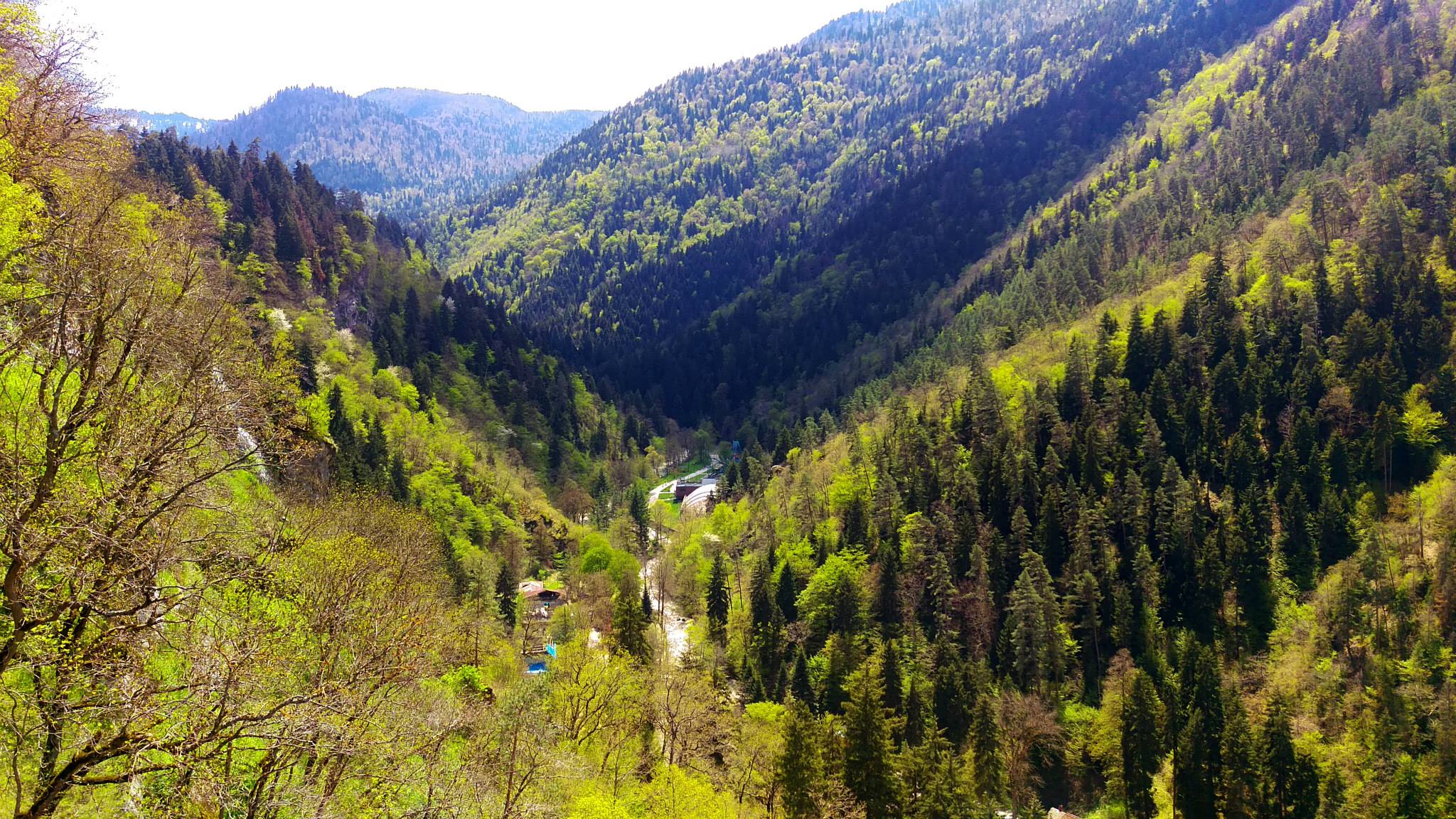
Beyond mineral water and the option for staying in a health resort, Borjomi sits in a green, scenic valley full of options to enjoy the outdoors. I really recommend a Soviet funicular cable car ride up to one of the hills, which offers beautiful views across the valley (see if you can spot a waterfall), and a great starting point for a forest hike.
Getting to Borjomi
Around 2.5-3 hours by car from Kutaisi and Tbilisi. Add another hour if you want to take marshrutkas.
The Ancient Caves of Vardzia and Uplistsikhe
Impressive rock-hewn cave systems that used to be actual cities
Depending on the rest of your itinerary, you have two equally impressive cave cities to choose from for your Georgia road trip. Or better yet – visit both as they are actually quite different to each other.
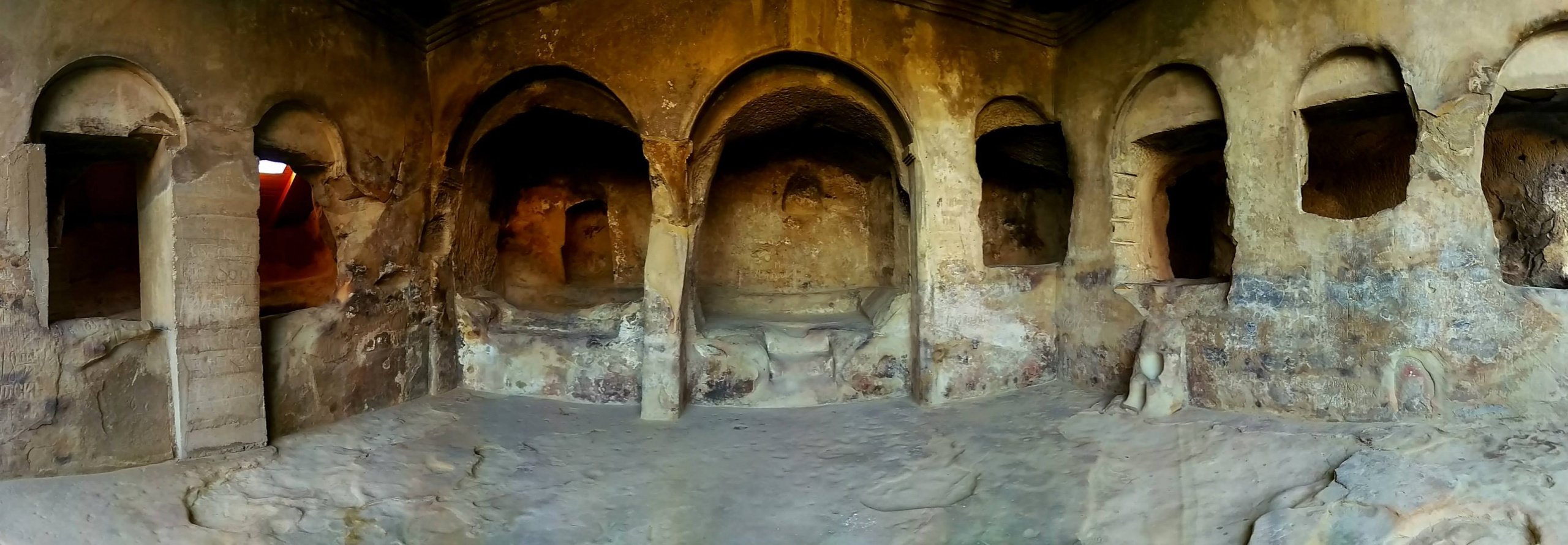
The first is Uplistsikhe. Not far from Joseph Stalin’s hometown of Gori, it’s a network of caves carved into a massive rock in the central plains of the country that saw its hey day back to the iron-age 9th century. It’s a colossal, fortress-like structure of magnificent tunnels, cave rooms and temples that take hours to explore and may just leave you in awe.
Getting to Uplistsikhe
Uplistsikhe is more accessible from Tbilisi (1.5 hours with a little luck) and a longer 2.5-3 hours from Kutaisi. So it makes for an easy day trip from both Tbilisi and Kutaisi.
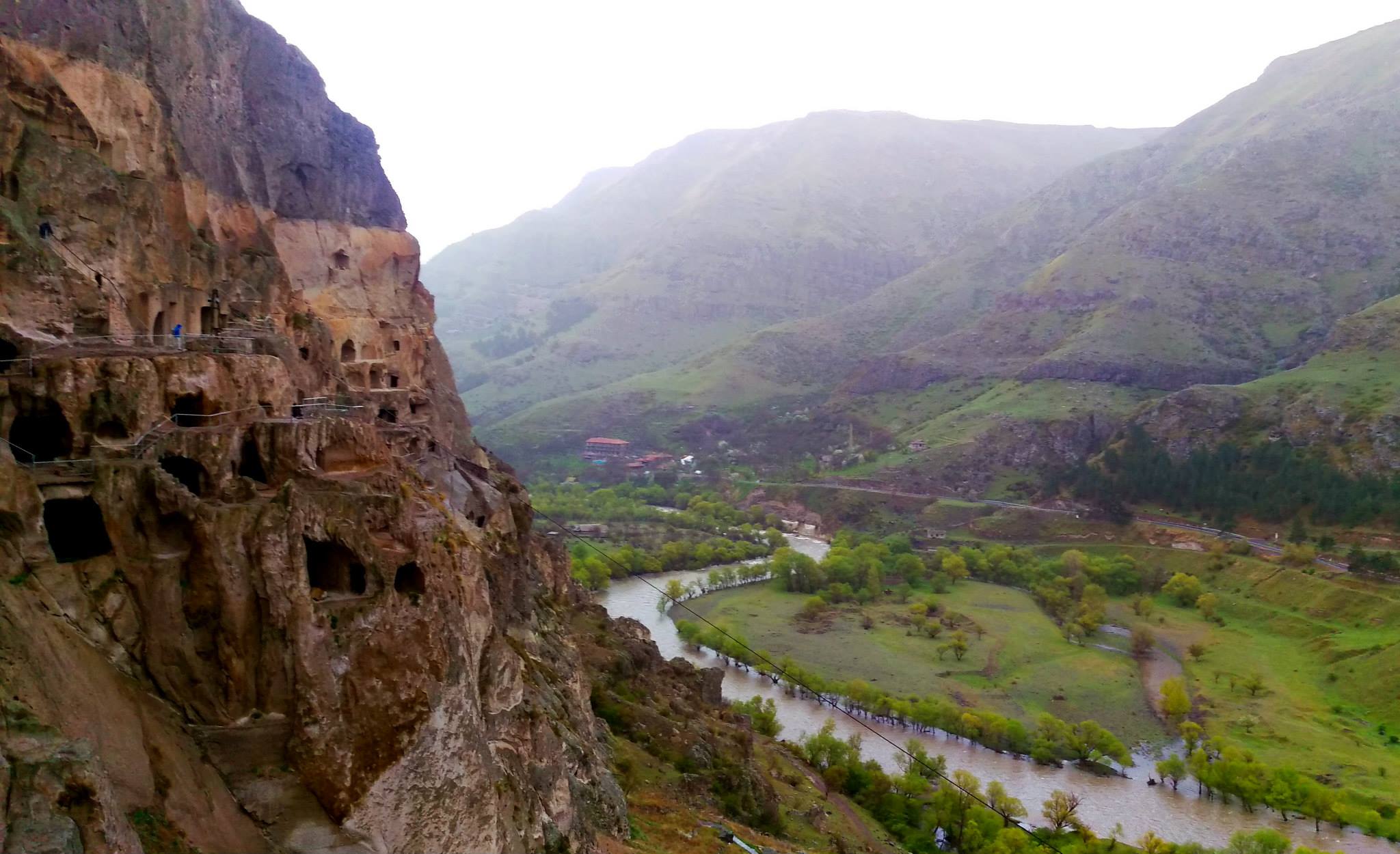
Vardzia is further west, cuts more dramatically into a steep mountain front facing the Kura River below. Vardzia once served as a monastery and home to some of Georgia’s royalty. There’s a lot more climbing to be had compared to Uplistsikhe, with 13 levels of chambers going as far as 500m above the river below.
Both sites are truly fascinating and sit in impressive surroundings, so both are worth including in your itinerary. But if you have to pick one personally I think Vardzia just edges it for the surrounding scenery.
Getting to Vardzia
Vardzia is closer to Kutaisi (1hr) than Tbilisi, and not far from Borjomi which combines well in the road trip itinerary. There is a large car parks right outside and there’s some climbing to be done so keep that in mind.
Khertvisi Fortress
Picturesque, verdant scenery reminiscent of Scotland
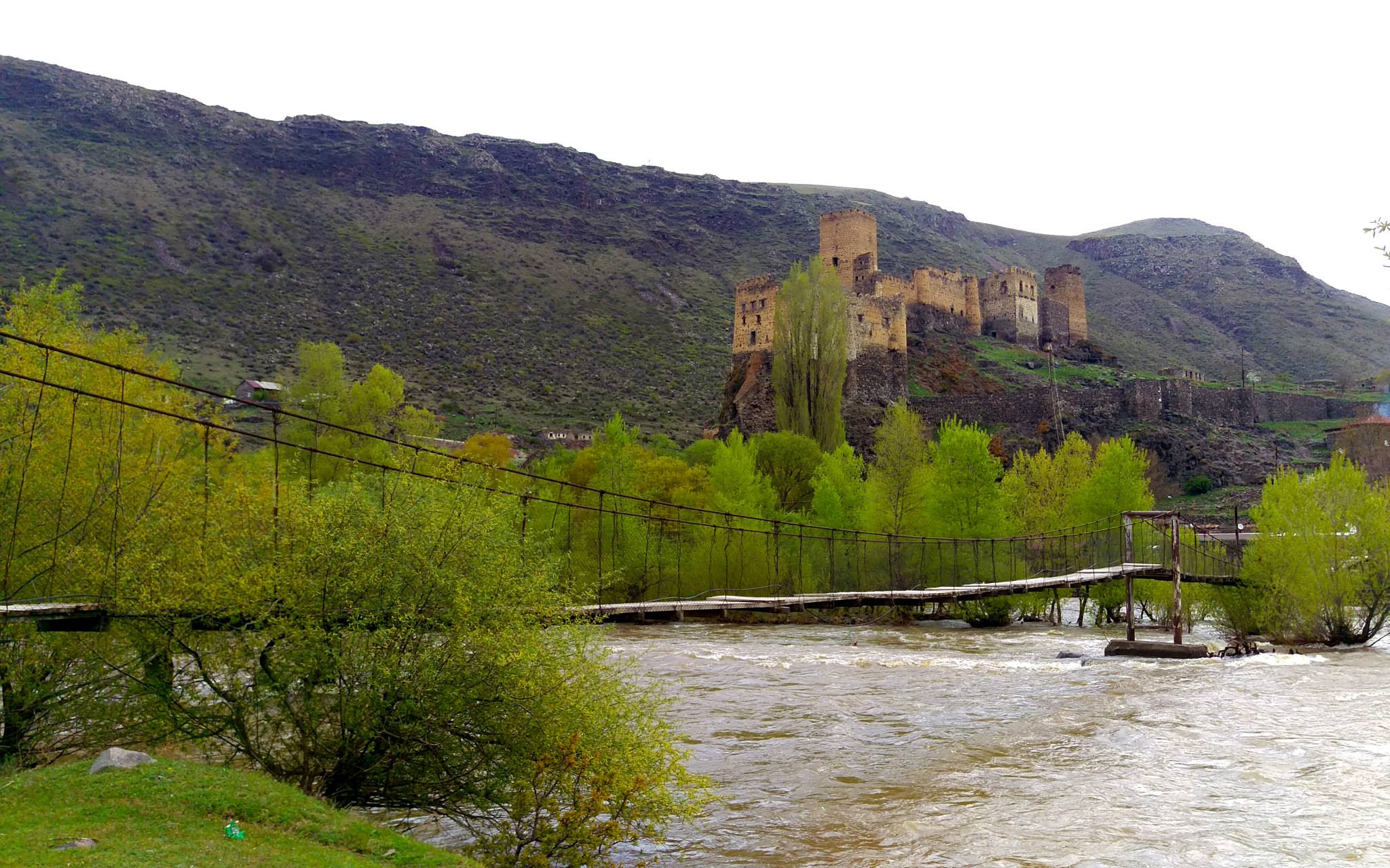
Set in a green valley by a river, the area around this ancient fortification is particularly spectacular on the eye and an ideal stopover for a walk if you happen to be in Southern Georgia. The fortress is just off the main road from Western Armenia to the city of Akhaltsikhe so is hard to miss.
The city of Akhaltsikhe further Northwest boasts its own hilltop fortress (Rabati Castle) however unlike Khertvisi, it looks too done up through modern restoration to maintain much authenticity.
Getting to Khertvisi Fortress
It’s down in the south of the country which makes it quite far from the major cities. You could include it in your route as a day trip from Borjomi (2 hrs) and combine with nearby Akhaltsikhe. It makes for a perfect stop if you’re driving up from neighbouring Armenia.
Is Georgia safe to visit?
Yes. Crime-wise, Georgia honestly felt safer than most of Western Europe. Hygiene is pretty good which means a lower risk of stomach bugs than somewhere like Turkey or Morocco.
The only thing to prep for in Georgia is the driving which can be pretty reckless and aggressive, and somewhat stressful in Tbilisi if you’re not used to it. If you’ve ever driven in Italy’s Naples or Palermo, expect something similar.
You might want to stay out of the disputed Abkhazia and South Ossetia republics in the North, as these could be a little more hairy with no guarantee of worry-free border passage.
What’s Georgian food like?
Asked no one but I’ll tell you anyway as it’s an important draw… Mouth-watering, flavoursome, filling and just overall outstanding! Georgia is a top foodie destination and offers a cuisine like no other.
Imagine if Italian and Persian/Turkish cuisines married and had a child, but with a little Russian heritage mixed in too somewhere. That’s the best I can describe it. In terms of what to try, well that easily deserves its own guide. But in short, some highlights to look forward to:
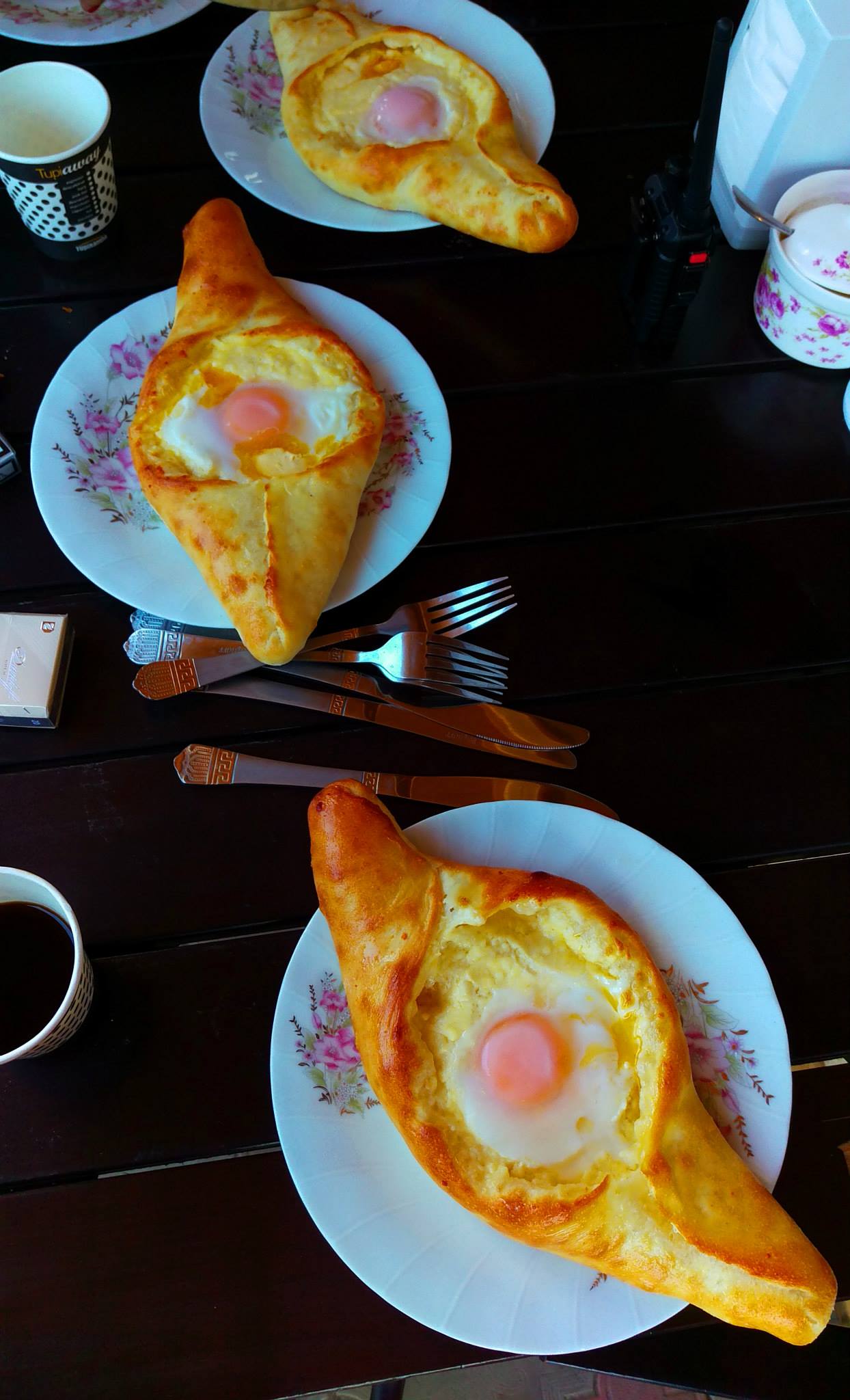
Khachapuri
Be prepared for a cheese coma by the end of your trip. Georgia’s signature “cheese pizza” comes in many varieties depending on the region and is available literally anywhere from the finest restaurants down to a roadside petrol station. The most famous variety, khachapuri adjaruli (pictured above), comes with an egg on top and is an absolute delight for the cheese lover.
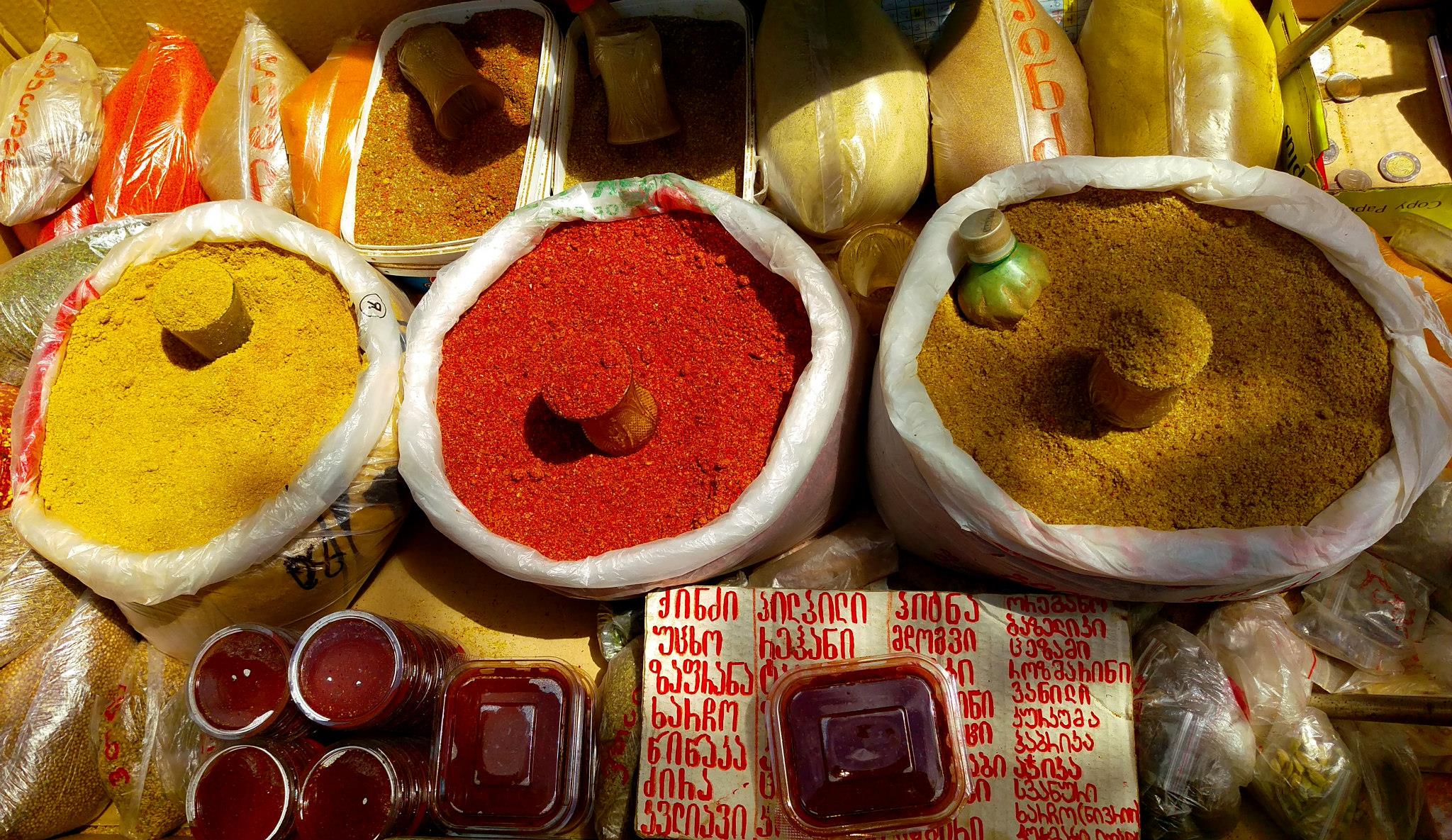
Khinkali
Every country has their own take on dumplings and Georgia is no exception. Theirs are of the massive, delightfully juicy variety that are made to be handheld. Usually stuffed with meat but you’ll often find cheese and mushroom options.
Churchkhela
You’ll see these unusual candle-shaped candies hanging up on strings in local markets and wonder what the hell that is. It’s made of grapes, nuts and flour and definitely worth trying to see if it’s your thing.
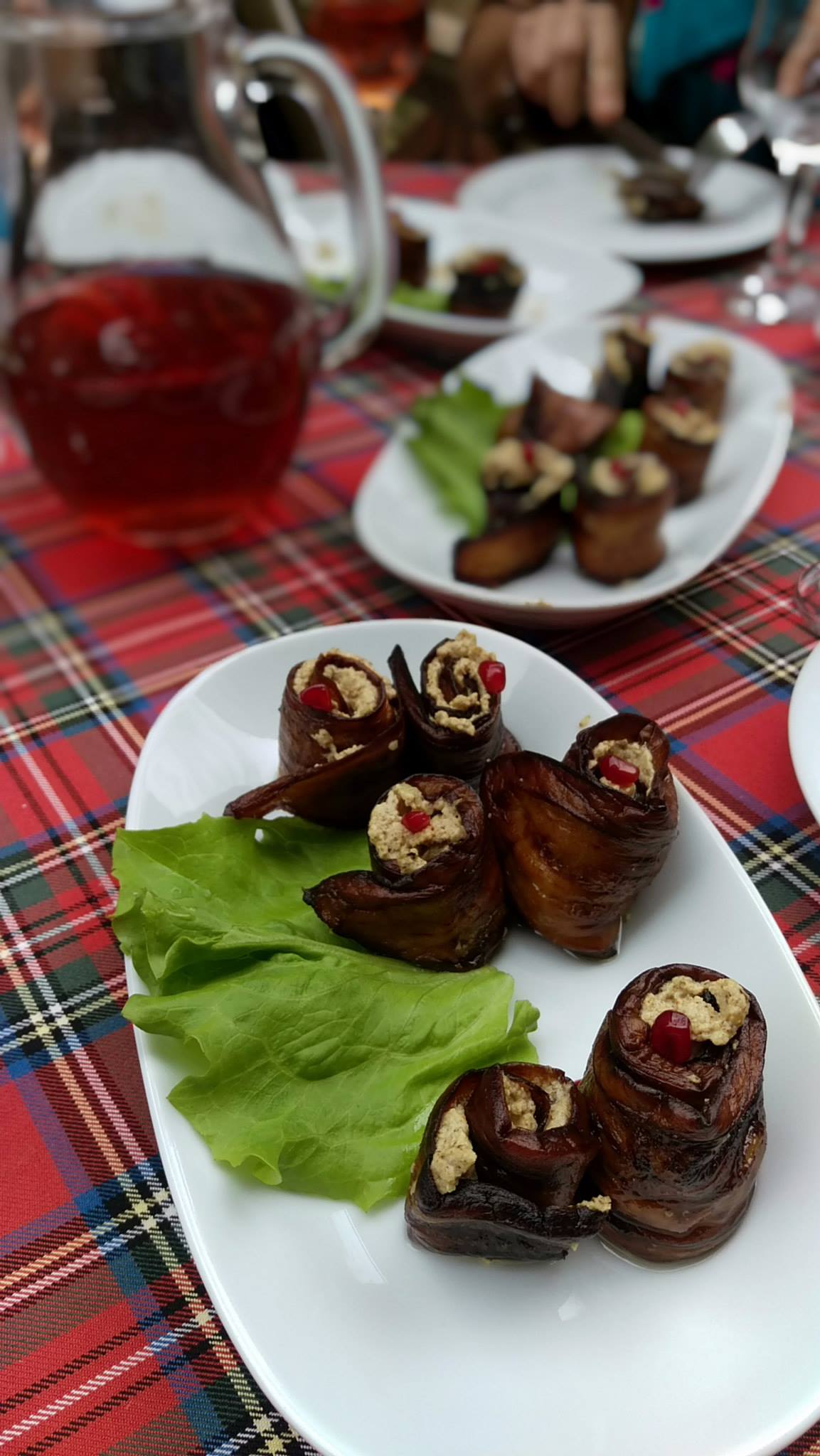
Nigvziani badrijani (aubergine rolls stuffed with walnuts)
Arguably the king of Georgian starters, the walnutty-garlicky paste sat inside soft aubergine slices and topped with pomegranate seeds melts in your mouth and is simply delightful.
Lobio bean soup
Georgians love bean dishes and the hearty lobio soup is the best version for me. Just prepare yourself for the consequences.
How to get to Georgia
Tbilisi Airport is the main gateway to Georgia, with more and more direct flights now available from Europe. There are direct flights from London starting in spring 2025 too! Transit connections through Istanbul, Qatar or Dubai are also popular means of getting to Georgia from further abroad.
Kutaisi Airport mostly serves a smaller selection of low-cost flight destinations regionally and in Europe.
Another alternative is to combine a Caucasus trip to Georgia with Armenia, which means you could fly into Yerevan (Armenia’s capital) too and see the beautiful southern part of Georgia as part of your itinerary.
Best time to visit Georgia
Unless you’re coming for skiing, the best times would be May to June or September to mid-October. Winters get chilly and peak of summer can get overbearingly hot outside the mountains but doable if you’re into that. If you come in May, try to avoid the first week as it coincides with Russian May holidays, bringing an influx of tourists from up North. Coming in September has the added bonus of harvest season for the many delicious fruits Georgia offers, and the Tbilisi Festival that runs annually in October.
What about the language barriers?
Georgians born roughly after 1980’s are likely to speak some English, especially in the cities. The older generation will generally speak Russian and no English. Either way Georgians are very friendly and helpful so you should be fine in getting your message across.
Georgian itself is a very different language that uses its own beautiful alphabet reminiscent of Hindi or perhaps Thai. Which makes it tricky to guess anything based on your knowledge of Indo-European or Slavic languages.
I hope this guide to visiting Georgia helped you plan your trip to one of the world’s best travel secrets. If you have any questions about travelling to Georgia or this road trip travel itinerary, feel free to leave a comment below!


2 Comments
Agata
thank you, we are planning to visit with car next spring. Did you visit Abkazaia, and is it safe to visit?
Nikita
Hi Agata – I think it’s complicated. From what I heard the Georgian border guards won’t let you in across. If you want to visit Abkhazia you’ll want to get there through the Russian border.