
Your guide to the best lesser-known cycling destinations
Looking for your next bike tour but not sure where to go with your hard-earned time? Whether you’re planning a long-distance multi-day bike tour or seeking a base from which to explore stunning surroundings, this guide has you covered.
I’ve pulled together a collection of the 14 best, lesser-known cycling paradise destinations across both Europe and beyond. It’s a healthy mix of more leisurely, flatter destinations and more challenging, climb-heavy routes requiring a good level of fitness. In this guide you’ll find route recommendations for where to cycle, where to stay, best seasons to visit and what to expect.
I hope this list of the most stunning destinations and routes for cyclists to explore in 2026 will help inspire your next memorable bike adventure!
Best Hidden Gem Cycling Destinations in Europe
Almeria Province, Spain
Perfect for: Off-season cycling holidays with endless quiet roads, desert landscapes, and sunshine year-round.


Europe’s driest and sunniest region is an ideal destination to escape the winter cold. Usually overlooked for the more popular Mallorca, Calp or Girona, Almeria region is an ideal destination to escape the winter cold. The Andalusian province is Europe’s sunniest and driest – evidenced by the Tabernas Desert which was once the go-to filming location for Spaghetti Westerns. Much of the region is sparsely populated and the many well-maintained are remarkably quiet. Then you have the sandy coast and the hilly terrain that make for ideal cycling days out.
Where to cycle in Almeria region
- If you’d like to experience Europe’s only desert, head north from Almeria to Tabernas Desert and tackle the epic 30km climb of Velefique. An absolutely epic descend with countless hairpins.
- On the southern tip, explore the Cabo de Gata-Nijar National Park for gentler hills and gorgeous seaside panoramas.
- Heading south from Mojacar, my favourite route is the Sierra de Cabrera loop, encompassing both the inland hills on empty roads and the coastal route back through Carboneras.
Where to stay in Almeria for cyclists
Mojacar or the main city Almeria are both excellent options. Mojacar is ideally located for weeks’ worth of excellent routes on empty roads, and Almeria is a good starting spot for heading north to Tabernas desert and Velifique, or along the coast to explore Cabo de Gata. Both have a number of bike rental options.
Best time to cycle in Almeria
Spring and autumn, although even winter offers plenty of sunny and warm riding. I visited in February and besides the chilly mornings, loved the mild sunny weather every day.
Asturias, Spain
Perfect for: Cycling routes through dramatic mountains, coastal cliffs, and charming seaside towns.

The North of Spain is not the Spain you know. Luscious green, mountainous and entirely devoid of mass tourist resorts, the region of Asturias is a perfect gateway to discovering this other Spain on your bike. Home to the dramatic Picos de Europa mountain range, you’re in for an absolute treat if your legs are up for it. The climbs are tough, but you get the roads largely to yourself and you’ll find yourself stopping in awe of the vistas.
And let’s not forget the coast either. White sand beaches, cute fishing towns like Ribadesella and Llanes and a delicious regional take on fresh seafood. All in the shadow of the impressive Picos de Europa. And to top it all of, the reward that awaits you after a hard day’s riding is the hearty regional cuisine, fresh seafood and delicious local cider.
Where to cycle in Asturias
With Asturias you have the option of gentler routes along the coast, or hardcore climbing into the mountains.
- For more laidback cycling, I recommend following the quiet B-roads near the coast anywhere between Llanes and Gijon. Some of my personal highlights are the town of Llanes itself, Ribadesella and the home of Asturian cider Villaviciosa.
- There are many quiet and demanding routes into the Picos de Europa, often featured in La Vuelta. Some of the most epic include the Lagos de Covadonga climb out of Cangas de Onis, or the spectacular and mroe accessible Alto del Torno.
- For a multi-day ride, you could follow one of the Camino de Santiago routes (Camino del Norte or Camino Primitivo) extending all the way to Santiago de Compostela in Galicia. For this I recommend thicker wheels depending on the route you choose.
Where to stay in Asturias for cyclists
Asturias can be done either with a base in mind, or as a west-east tour with easier and hardcore route options depending on your fitness / masochism thresholds.
Cangas de Onis, Potes or Sotres are nice options for exploring the Picos de Europa mountains, or Llanes for the coast. You could even base in Oviedo if you prefer more of a city vibe and rolling countryside, but while you have great big climbs to its south Oviedo is further away from Picos de Europa.
Best time to cycle in Asturias
May to September. Keep in mind that Asturias is green for a reason – weather is nowhere near as predictable as the familiar dry climates in the rest of the country. So in the case of Asturias, peak summer might actually be your best bet for drier weather especially up in the mountains.
More info
I’ve used this great resource to plan my Asturias rides, with detailed descriptions of the most popular climbs.
Alsace, France
Perfect for: Relaxed bike touring through vineyard trails, medieval villages, and countryside charm.

France’s easternmost region is an ideal choice for a more casual, leg-friendly cycling destination. Having changed hands between France and Germany throughout history, Alsace is an interesting and unique cultural blend of Germanic and French cultures. At times you’ll need reminding that you’re still in France.
The vast stretches of vineyard will help with that. Alsace is known for its white wine and can become the main theme of your cycling adventure.
Where to cycle in Alsace
- While there are many route options to explore, the best known is the Alsace Vineyard Cycling Route. It’s a 130km stretch of peaceful country roads meandering through picturesque medieval villages and gentle, rolling vineyard countryside. As you pass through little gems like Riquewihr, Ribeauville and Obernai, you’ll have plenty of opportunities to stop for a glass or three of fine Alsatian wine, accompanied by the local white pizza – the flammenkuche. Much of the route follows the edge of the Rhine valley where it meets the Vosges Mountains, so expect a mostly flat route with some very picturesque rolling hills mixed in. It’s also part of the cross-Europe Via Romea Francigena (EV5) route.
- The Rhine Cycle Route (Eurovelo 15) is a segregated and easy option that follows the French side of the Rhine river along fruit orchards and vineyards.
- The Vosges Mountains will satisfy your climbing cravings, with the 1,400m-high Le Grand Ballon climb, sometimes referred to as the Alpe d’Huez of the Vosges.
- You could also easily venture out from Strasbourg across the Rhine into Germany, visiting the picture-perfect Oberkirch or heading up to the spa resort town of Baden Baden.
Where to stay in Alsace for cyclists
Strasbourg and Colmar are the biggest cities in the region that also double up as excellent places to enjoy, with gorgeous historic Old Towns and a generous offering of sights to explore between your rides.
Best time to cycle in Alsace
September for the wine festivals, but May to mid-October should be good cycling weather with a bigger chance of heatwaves in July-August. The chance of dry, sunny weather is also pretty good considering its location in Europe – thanks to being shielded by the Vosges Mountains to the west.
Northwestern Tuscany, Italy
Perfect for: Exploring varied cycling routes through Tuscan hills, olive groves, and the Mediterranean coast.

When it comes to cycling in Italy, you can hardly go wrong with wherever you choose to explore. Yet northwestern Tuscany stands out for its variety of cycling routes. To the west, you’re a stone’s throw from the sandy beaches of the Mediterranean, to the north are the rugged Garfagnana Mountains, and in between you have the rolling countryside punctuated with medieval villages, castles and olive groves.
Where to cycle in NW Tuscany
There are so many options in every direction out of Lucca fit for any level of difficulty.
Make your way north along the Serchio river past the originally shaped Ponte della Maddalena, beyond to Bagni di Lucca and onto some of the hilltop villages like Lugliano for some stunning views, climbs and descents. The hills to the north/NW/NE of Lucca all boast countless quiet, rural roads to explore for days on end.
In the opposite direction, Monte Serra offers some long, steady climbing and a fantastic panorama of the whole region.
For an easier and flatter route, head west to Lake Massaciuccoli (or however you spell it) and beyond to Viareggio to enjoy some sandy seaside.
Where to stay in Tuscany for cyclists
The walled medieval city of Lucca is Tuscany’s hidden gem and is perfectly situated for a plethora of routes in every direction. Oh, and you can also enjoy a casual loop right on the city walls.
Lucca enjoys easy access to Pisa Airport, the Mediterranean, the hilly Garfagnana region to the north, with the rest of Tuscany also well-connected.
Best time to cycle in Tuscany
Mid-April to June and September to October for the best weather, with July and August also fine but have often experienced stifling heatwaves in recent years.
Slovenia
Perfect for: A mix of mountain climbs, lakes, gentle hills, and scenic cycling routes through wine valleys.

For such a compact country, the diversity of natural beauty is frankly ridiculous. Slovenia is blessed with the stunning Julian Alps extending across from the Italian Dolomites, gorgeous lakes, its own little piece of the Adriatic coast and wine valleys no less picturesque. No wonder they’ve been producing the best cyclists on earth. With such a range of routes and
Where to cycle in Slovenia
- Slovenia’s best and also most challenging climbs are the Mangart Saddle and Vrsic Pass. For both, the winter ski resort town of Kranjska Gora is the best starting point.
- While Mangart Saddle is a challenging there-and-back col route, I particularly recommend a multi-day tour for the best experience of Slovenia by bike. From Kranjska Gora, head up the part-cobbled Vrsic Pass. It’s also known as the “Russian Road” having been built by Russian prisoners of war in the WWI era of Austro-Hungarian rule. From there, follow the Soca river down to the picturesque towns of Kobarid and Tolmin, before either making your way down to Gorizia/Nova Gorica or looping back up towards Kranjska Gora via lakes Bohinj and Bled
- Lake Bohinj and Lake Bled. Best reached from Kranjska Gora, Slovenia’s most famous sight is surely the idyllic Lake Bled and its island church. Connected by a hilly and punchy but quiet road is the even more stunning and less touristy Lake Bohinj, inviting you for a dip with its crystal clear, emerald water and a dramatic backdrop of Triglav Mountain. If you’re cycling in Slovenia, it’d be a crime not to include both lakes to your cycling itinerary.
- Another fantastic area to explore is Slovenia’s Vipava Valley. The broad, open valleys greatly contrast the Julian Alps, more reminiscent of Tuscany. There are ample road and gravel routes to choose from to tour the local vineyards, hilltop castles and sleepy villages. The climbs are often punchy but rarely over 150-200m in elevation gains. The hilltop town of Štanjel with its cobbled medieval old town streets was particularly memorable and worth adding to your route.
Where to stay in Slovenia for cyclists
Kranjska Gora for Slovenia’s Julian Alps and the lakes, or the towns of Ajdovščina and Vipava to explore Vipava Valley. However I most recommend a multi-day tour between the two regions.
Best time to cycle in Slovenia
Visiting in May to September should guarantee the best weather. I’d think twice about August mostly for the flocks of German & Austrian tourists that add to the traffic.
Read more: for a beautiful bike trip combining Slovenian Alps and the Dolomites, read this cycling tour guide.
Sicily, Italy
Perfect for: A sun-drenched bike tour combining ancient history, coastal scenery, and incredible cuisine.

Sicily is an incredible island steeped in history – with influences of Greek, Arab, Phoenician and Norman rule still evident today. Its cuisine is some of the finest in all of Italy, and the variety of scenery is second to none.
For some reason or other, Sicily hasn’t quite made it as a classic cycling destination – yet it’s very well suited for a wholesome bike tour adventure. Cycling in Sicily is all about sunshine, scenery, delicious food, a wealth of historical sights and warm, friendly locals. From conquering the ever-active Mt Etna volcano and exploring the historic valleys of Agrigento and Noto, to cruising along vast sandy beaches and ancient salt pans – it’s a bike tour that will be sure to deliver.
Where to cycle in Sicily
- Everywhere, bar Palermo! The ultimate route I recommend is a full round-the-island loop. Being the largest island in the Mediterranean, the route will take you from 10 days to more like a month, depending on your own travel style and how much you want to detour. Otherwise, just choose a particular section of the island, for example Siracusa westwards to Marsala, or the stunning northwestern / northern coastline.
- A shorter, gentler tour could focus on the historic Valley of the Temples around Agrigento, and onwards along the coast to Sciacca past the dramatic Turkish Steps.
- Mount Etna is the iconic ~2,000m climb up an active volcano where you might feel like you’re cycling on Mars. Etna can be tackled from multiple directions: most famously Catania from the south or Taormina to the north. Bring a jacket for the temperature drops.
- The Parco delle Madonie is a lesser-known alternative in the north, with challenging hairpin climbs through Sicily’s forested mountains.
- Cut through the sparsely-populated and rugged central Sicily via Enna for the most off-the-beaten-track Sicily experience. This needs a little more planning for where to stay and top up on supplies. And strong legs.
For a better idea of what to expect and route options, check out my Sicily by Bike post. As a rule, the further inland you go, the quieter the roads become and the sorer the legs.
Is it safe to cycle in Sicily?
Mostly a resounding yes. If you’ve ever visited southern Italy you might be familiar with an aggressive driving culture with a loose interpretation of road rules. However I only found this an issue in Palermo and to a lesser extent, Catania. Outside of the cities, drivers are generally respectful of cyclists and if you stick to quieter roads over the busy SS routes – the riding is enjoyable and relaxing especially the further inland you go. Just watch out for the random pothole.
Where to stay in Sicily for cyclists
My tip is to tour the island rather than stay put in one base. However there are plenty of options for bases – I’d suggest Noto and Ragusa Ibla for starters, or Catania for exploring the various routes up Mt. Etna. For Parco delle Madonie, base in the lovely Cefalu.
Best time to cycle in Sicily
April to June or September to October. July and August can get unbearable in terms of heat and August marks the annual migration of Italians to the beaches.
More info
» Read my comprehensive guide to an epic round-the-island loop of Sicily
Trentino Region, Italy
Perfect for: Cycling adventures in the Dolomites — from leisurely lakeside paths to epic alpine climbs.

By now you might guess I’m biased towards Italy. Perhaps. But who cares? Trentino is outstanding for a cycling holiday and I couldn’t recommend it more.
Located in Northern Italy, Trentino boasts an extensive network of cycling routes for every taste. From the fertile Adige Valley to the mountain passes in the majestic Dolomites, it’s as if Trentino was designed for bike tourism. Being near the Austrian border, there is an interesting Germanic influence on local culture, emphasised by a sizeable German-speaking minority and a heavier, Alpine flavour to the regional cuisine. Great as you’ll need the extra carbs.
Where to cycle in Trentino
- For a very leisurely and even family-friendly ride, take on the Valsugana cycleway. It’s and incredibly bike-friendly route, most being on a dedicated bike path separate from traffic and bike-focused cafes all along the way. Equally it’s stunning, passing through medieval villages, vineyards, orchards all the while with steep mountains to either side.
- Similarly, follow the Adige Valley cycling path for a mostly-flat route, with plenty of historic and interesting towns to explore along the way. You can even continue all the way through the vineyard valley down to Riva del Garda and onwards along the western shore of Lake Garda.
- Go north along the Adige river and make your way up to Canazei. It’s the southern gateway to some of the most iconic climbs of the Alps like the Sella Ronda. You’ll have days’ worth of mountain passes to tackle, all offering jaw-dropping scenery of the razor-sharp Dolomites.
- From Trento you can head west to Val Rendena, offering picturesque Alpine scenery and a true immersion in nature.
Where to stay in Trentino for cyclists
Trento. Or if you’re purely after conquering mountain passes, one of the winter resorts like Corvara in Badia. I actually based in Hotel Col di Lana at the top of Passo Pordoi for the epic wake-up views, but you have to be comfortable with ending your day’s ride with a 800m climb.
Best time to cycle in Trentino
May to early October. Italian summers get hot in July and August but even if it’s +40c down in Verona, anywhere up in the Dolomites will be in the more bike-friendly mid-20s. Weather is changeable up in the mountains and you’re likely to get a few storms on your tour.
More info
» Read the guide to bicycle touring the Dolomites (and the neighbouring Julian Alps in Slovenia) to help you plan.
Wales
Perfect for: Peaceful cycling holidays through valleys, castles, mountains, and picturesque countryside.
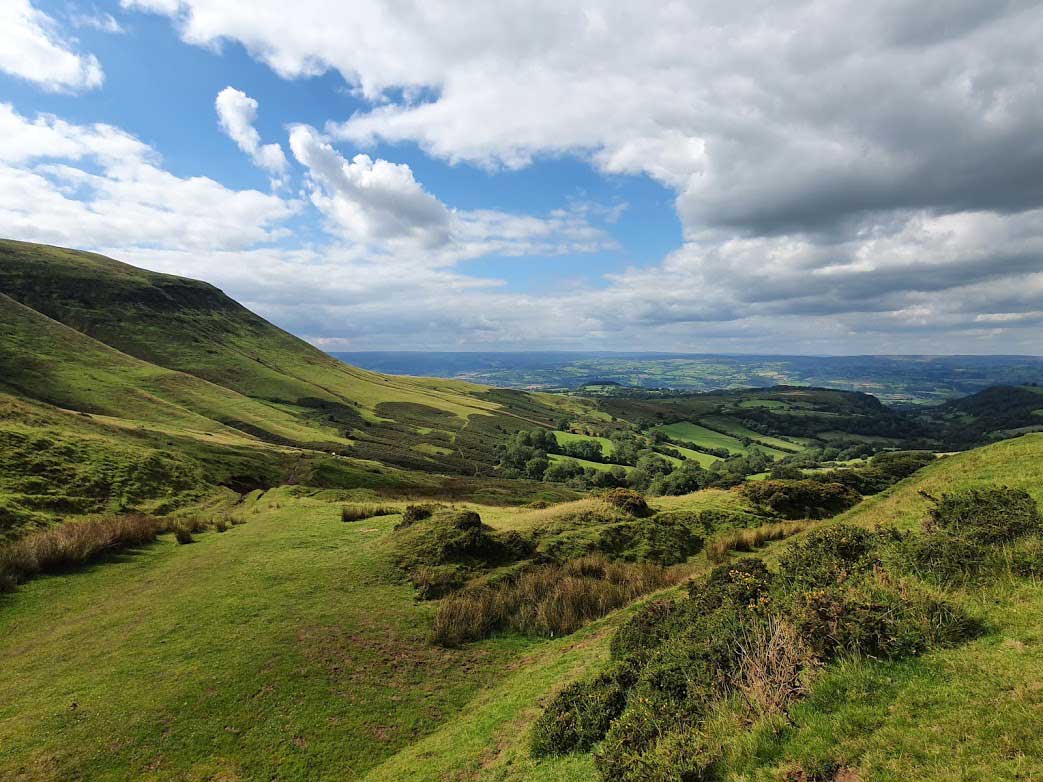
For some reason, Wales remains a fairly under-the-radar destination in the world of bike tourism. Unpronounceable names, tranquil abbey ruins, cute market towns, punchy hills, long sandy beaches and mountain passes – Cymru has quite the variety packed into a relatively small land. Welsh mountains may be nowhere near the height of famous Alpine passes – but don’t be fooled. They are honestly tougher on the legs than the more gentle but longer climbs of the Alps adorned by countless hairpins. Welsh roads don’t mess about – they just go straight up.
Where to cycle in Wales
- Cutting right across the heart of Wales captures some of its most stunning gems. Starting from Severn Bridge (marking the border with England) or Cardiff, head northwest across the country towards the island of Anglesey. From the pristine Elan Valley and its dams, the ridiculously scenic Llanthony Pass or the more gentle Wye Valley, you’re in for a nice variety of landscapes and scenery. The route passes through Snowdonia National Park and reaches the world’s 2nd longest place name on Anglesey, Llanfairpwllgwyngyllgogerychwyrndrobwllllantysiliogogogoch. You can do the tour in as little as 4 days, although you may want to take things more slowly and detour to some of the country’s most dramatic seaside further to the south/southwest.
- In the south near Swansea, the Gower Peninsula is a cycling paradise with gorgeous beaches and a great selection of rural roads.
- West Wales holds its own in scenic bike route options, with
Where to stay in Wales for cyclists
A cross-Wales bike tour is the best way to really see the country. Otherwise Rhayader or Abergavenny would serve as great bases. Swansea and Mumbles are good bases for the Gower Peninsula. Cardigan is a nice option for Western Wales.
Best time to cycle in Wales
June to mid-September for the best chance of good weather. Although with it being Wales, you never really know.
More info
» See my guide for the Wales Cross-Country Route. for a nice bike tour option crossing the country.
Liptov Region, Slovakia
Perfect for: Touring sleepy villages, castles, and mountains on quiet gravel and road cycling routes.

Little known outside of Slovakia, the Liptov region in the north of the country is easily one of the best hidden gem destinations in Europe to explore both on two wheels. A valley surrounded by mountains on all sides, you’re free to choose your poison. Whether it’s gentle traversing through rustic Slovak villages with their cute wooden houses, serious climbs into Tatras Mountains or gravel riding through fields and forests – Liptov makes for a great week or two of cycling adventures.
The region boasts a surprisingly large network of signposted bike-friendly routes, traffic is scarce and the hearty cuisine will keep you going all day. To top it off, it’s all very affordable for European standards.
Where to cycle in Liptov region
For starters, rent or bring a gravel bike to make the most of local trails as well as the asphalt
- I’d commence with a circuit around the Liptovska Mara reservoir, an enticing mix of rural roads and trails through rolling green hills. Amidst the nature you’ll pass sleepy villages, thermal spa resorts and cute wooden churches.
- For climbs, you’re also spoilt for choice – there are mountains for every taste in every direction. from the softer, forest-clad Low Tatras to the south to the more rugged Western Tatras in the opposite direction. In the Low Tatras, I recommend the Ruzomberok Mining Trail loop (70km and ~850m elevation), while a there-and-back ascent up to Zuberec (70km, ~1,200m elevation) is my tip heading north towards Poland.
- The Vel’ka Fatra Mountains to the west are another area I recommend, with a compulsory visit to the hillside village of Vlkolinec. It’s a beautifully preserved example of medieval Slovak architecture, and may make you want to stay behind for a while and just take in the surrounding views.
Where to stay in Liptov region for cyclists
Any pretty town or village will do – I personally loved Partizanska Lupca and a place called Lucky. The bigger town of Liptovsky Mikulas has a good selection of bike rental options from Bicyclom po Slovensku.
Best time to visit Slovakia
If you’re after warm weather, May – June and September are the best months to visit. July and August are also fine options, but with the tendency to get pretty hot. September is probably the best month as it also tends to be drier than early summer.
More info
» For a comprehensive guide to planning a trip to Slovakia, read my Slovakia trip itinerary guide.
Liptov region’s official site is a good resource for a map and list of cycling routes to choose from.
Best Lesser-Known Cycling Destinations Worldwide
South Korea
Perfect for: An exotic bike touring adventure with scenic river paths, coastal rides, and outstanding food.
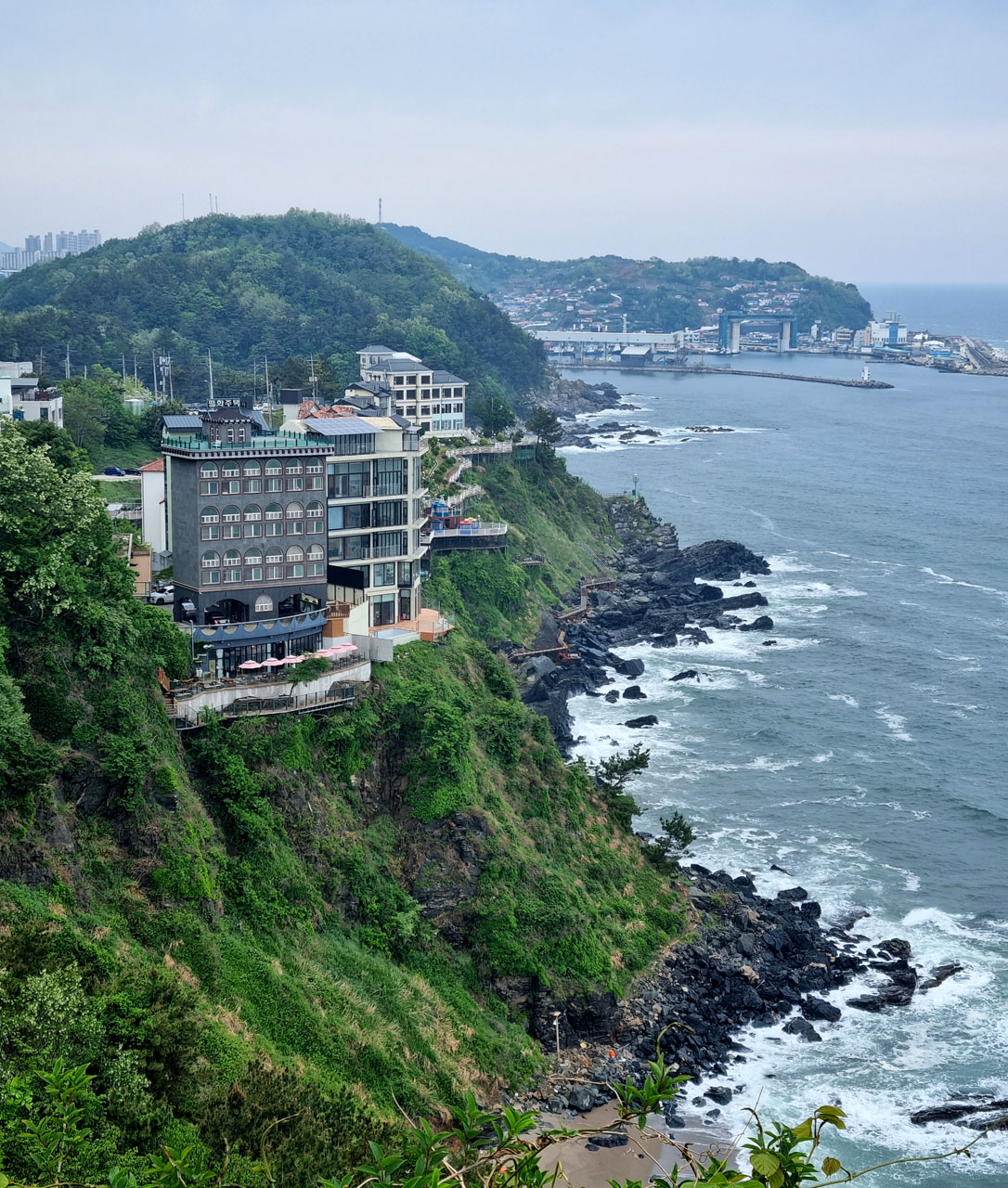

Cycling probably doesn’t jump to mind when you think of South Korea, so you might be surprised to learn that it has everything for a very wholesome cycling adventure.
In recent years South Korea has built up an impressive network of dedicated bike trails, boasts a rich cultural heritage and a variety of landscapes from gentle river valleys and mountains to rugged coasts and miles of unspoilt white sand beaches. Whichever route you opt for, you’ll notice a remarkable contrast between the modern and the traditional: one moment you’re in a jungle of new-built high-rises, the next breezing through tranquil farmland where elderly locals still hand-pick their crops.
With a plethora of convenience stores and motels along every route, planning is easy and flexible. You can usually just turn up at whichever motel in whichever town without an advanced booking. And you easily can travel throughout Korea through the vast network of intercity buses.
Where to cycle in South Korea
- The most popular route is the largely segregated Four Rivers Trail crossing the country from Seoul to Busan. It’s well sign-posted, relatively light on climbing and offers a nice intro to rural Korea.
- For a more adventurous and varied route, I recommend the East Coast Trail from Busan right up to the DMZ bordering North Korea.
- Or for an island adventure, explore the ragged southern coastline and hidden gem islands like Namhae. You can also extend that to the scenic 2-3 day Seomjingang Trail which follows a river down to the coast.
- And if you prefer beaches and a more relaxing trip, I’d also consider the mostly-flat Jeju Island and its circular loop.
See more info below for detailed itineraries for southern and eastern route options based on my own experience.
Where to stay in Korea for cyclists
Ideally you don’t base in one place, but explore the country’s many trails on a bike tour. If you do prefer a single place to ride out of, I’d avoid the big cities and instead of for the likes of Sokcho or Gangneung to explore both the coast and the inland mountains.
As for start/end spots for many of the established trails, you’ll most likely arrive in and base in Seoul or Busan. Both are more than worth their time in exploring (in civilian mode) for a few days each, but keep in mind that cycling in and out of Seoul and especially Busan is less pleasant.
Best time to visit South Korea
Spring and autumn – September/October are best, followed by May and April. Korea has proper climates, so cold winters and stuffy, hot summers with plenty of rainfalls.
Autumn has great weather and less chance of air pollution (“yellow dust” tends to peak early in the year). If you go for March or early April, you might catch the cherry blossom and October means you’ll witness the colourful autumn leaves.
More info
For more details on multi-day routes and what to expect when cycling in Korea, I recommend these guides:
- » A beginner’s guide to bicycle touring in South Korea
- » Cycling Korea’s East Coast Trail
- » Cycling the Seomjingang Trail and Namhae Island
Taiwan
Perfect for: A spectacular cycling tour around the island — friendly locals, mountain passes, and ocean views.

You might not know that the majority of Taiwan is mountains and forests, with only the populous western side being the industrial powerhouse Taiwan is best known for. The island’s center is mountains where the climate and flora is more Alpine than sub-tropical, interspersed with tea plantations. The rugged and picturesque East is where those mountains meet the Pacific Ocean, and between you have rice paddies and jungly forests.
Taiwan’s infrastructure is well set up for cycling, with thousands of convenience shops like 7-11 making for handy pit stops, the drivers respectful and wide shoulders shared with mopeds keeping you away from heavy traffic. The friendliness is also remarkable. At one point I forgot my water bottle at a petrol station only for one of the staff to catch up with me on his moped a few KMs down the road to give it back. And despite the language barriers, you might also find locals randomly offering you snacks especially if you look tired.
All in all, Taiwan is an amazing destination for an off-season bike tour, with language barrier being the only minor challenge.
Where to cycle in Taiwan
- The ultimate Taiwan cycling adventure is a round-the-island loop, following Cycling Route 1 and landing just short of 1,000km. If you prefer to do a part of it, definitely aim for the east coast. While the western side is still interesting for its cultural heritage and regional cuisine in cities like Tainan and Kaohsiung, the east is easily more picturesque and offers the chance to learn about the aboriginal Taiwanese communities.
- For mountain goats, take on the iconic Wuling Pass climb with ~3,500 of elevation. On the way up from Hualien, you’ll ascend through Taroko Gorge, one of Taiwan’s most cherished treasures.
- Or venture out of Chiayi for a stunning ride past the Alishan tea plantations up to Alishan Mountain. Just prepare yourself for temperature drops of 15-20 degrees between start and finish.
- There’s plenty of flat riding, too – with a whole world of quaint roads throughout the west and the valleys of the east traversing rice paddies and quaint farmland.
- The central Sun Moon Lake offers a shorter and more leisurely but still picturesque ride around the lake.
Where to stay in Taiwan for cyclists
Taiwan is perfectly set up for a round-the-island tour, but those looking for a base should consider Hualien and Taitung on the East Coast, or Chiayi and Nantou County in central Taiwan.
Best time to visit Taiwan
March to April offer the most cycling-friendly weather. October to November are also good, although there is the chance of typhoons affecting your journey. Taiwanese summers are overwhelmingly hot and sticky, but the mountains can offer a nice respite from the heat.
More info
» Read my Taiwan bike touring guide to help you plan an unforgettable cycling tour. And for a general idea of what to expect in Taiwan, see the 2-week itinerary guide.
The Coffee Triangle, Colombia
Perfect for: Road and gravel cycling through lush hills, coffee farms, and year-round perfect weather.

In the last decade or so, Colombia has developed a reputation for producing some of the world’s best cyclists, and it’s no wonder with the mountainous landscapes all across the country. At the same time, it’s gradually shaking off the outdated reputation of a dangerous, crime-ridden country – with many regions now perfectly fine to visit and explore on bike. One of them is the coffee triangle, my hidden gem recommendation for some epic cycling.
The coffee triangle is roughly equidistant to the country’s biggest cities Bogota, Medellin and Cali – and as you can probably guess – the heartland of Colombia’s coffee production thanks to its ideal climate. It’s a stunning expanse with gorgeous farmland and rolling green hills dotted with quaint and picturesque small towns. Being so hilly and up at 2,000m elevation, the routes can be physically demanding but thoroughly rewarding. There are plenty of options from epic road climbs to off-road treks through coffee plantations and haciendas.
Where to cycle in Colombia’s Coffee Triangle
- The Fruit Loop is a must, a challenging 80km adventure from Salento (or Filandia) involving 1,800m climbing. With exhilarating descents and jaw-dropping scenery, you’ll cruise through a diverse landscape of fruit plantations, cute villages
- There are plenty of shorter routes out of Salento, too – from challenging climbs like the Alta de Linea to a much easier descent to the city of Pereira (you can catch a bus or a pickup truck taxi back).
- If you prefer to venture off-road, there are ample options with guaranteed fun, including a MTB loop through the Cocora Valley known for the world’s tallest palm trees.
Is it safe to cycle in Colombia?
In the coffee region – yes. The rural parts are perfectly safe and I haven’t had problems with close passes on the generally calm roads. The locals are extraordinarily friendly and approachable. Generally the smaller towns are safest, with a little more caution always a good idea in the cities.
Where to stay in Colombia for cyclists
The charming small towns of Salento and Filandia are ideally located as starting points for many of the best routes in the coffee region, both road and off-road. Both also offer bike rental options.
Best time to visit Colombia’s Coffee Triangle
The Coffee Region has a pleasant climate all year round. Thanks to its higher altitude, it stays comfortably warm throughout despite its tropical latitude. That said, the driest months are December to March and June to September.
More info
» As you’ll surely want to plan your trip to the coffee region as part of a bigger Colombia holiday, read my guide to the Best of Colombia itinerary.
Northern Thailand
Perfect for: A winter cycling escape with temples, jungles, and mountain routes for every fitness level.


Thailand is known for many things – from its winter sun beach destinations and thousands of temples to an incredible cuisine and some of the world’s most smiley locals. It isn’t however particularly known as a popular cycling destination.
Yet that seems to be slowly changing, with the famous northern city of Chiang Mai leading the gradual cycling revolution. Set in the mountainous area of Thailand, Chiang Mai offers a more cycling-friendly climate much of the year than the rest of the country, and its strategic location at the foot of the Thai highlands sets it up as the ideal base to explore both the surrounding mountains and the flat countryside.
Where to cycle in Northern Thailand
- One of the must-do routes is the Samoeng Loop, a challenging but delightfully scenic road winding up into the highlands. The road climbs and descends past elephant sanctuaries, hillside villages, stunning panoramas and waterfalls. While a rabbit or perhaps a deer might be a familiar sight, don’t be surprised when you find yourself overtaking an elephant in the hills around Samoeng.
- The Doi Suthep climb is the local riders’ favourite, with a majestic temple overlooking Chiang Mai making for the perfect excuse for a break on your way up. The road is surprisingly smooth and makes for an epic descent. You can continue up to the Doi Pui village to get a taste of how the minority hmong people go about their days.
- Or you can embark on multi-day trips to the historic gems of Pai and Chiang Rai.
- For a more casual experience, cruise into the countryside along River Ping or head to one of the reservoirs to the north of the city. There are rides for all tastes.
Is it safe cycling around Chiang Mai?
Generally yes. Chiang Mai itself can get trafficky and hence smelly, but besides that Thai drivers are not aggressive. Most of the busier roads have wide hard shoulders. Once you’re out of the city it gets very pleasant, with the roads mostly in a surprisingly good condition.
Where to stay in Thailand for cycling
Chiang Mai of course, ideally a little closer to the best routes heading out west/northwest. Accommodation is very affordable and road bike rental is available in a few places.
Best time to visit Northern Thailand
November to January – the less humid and drier months. Avoid late February to April for the air pollution, and be prepared to get up early to avoid the worst heat and rush hour.
Western Japan
Perfect for: Adventurous cycling routes across volcanoes, sea views, and peaceful countryside roads.
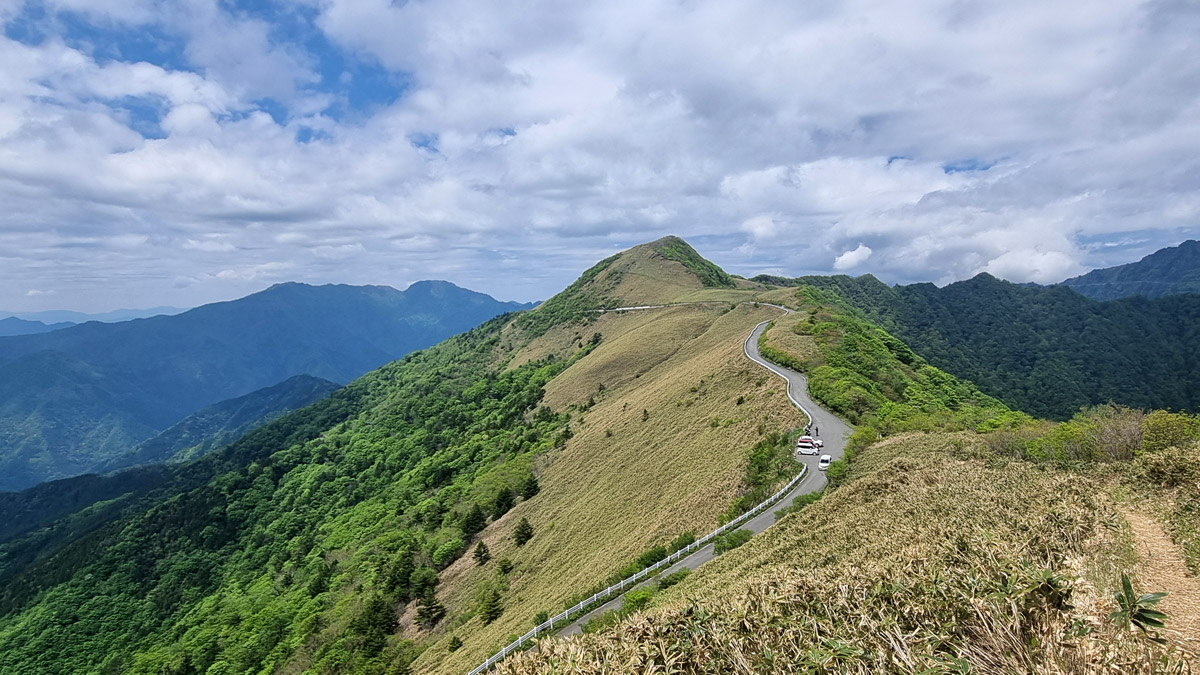
Japan needs little introduction – its rich culture, world-class cuisine, and stunning scenery make it a perennial favourite among travellers. What many don’t realise, however, is just how rewarding it is to explore by bike. Beyond the famous Shimanami Kaido island-hopping route, Western Japan offers some of the country’s most diverse and scenic cycling.
Kyushu and Shikoku in particular are a dream for touring riders: quiet roads, courteous drivers, and a landscape that shifts from volcanic highlands to tranquil coastlines and lush river valleys. The food alone makes the journey worth it – from Fukuoka’s ramen and Shikoku’s sea bream to Kumamoto’s surprisingly delicious horse sashimi.
Where to cycle in Western Japan
Kyushu’s volcanic heartland – Ride through the dramatic Aso Caldera, the Kuju Mountains, and coastal stretches between Fukuoka, Kumamoto, and Nagasaki.
Shikoku’s mountain and coastal roads – Conquer the spectacular UFO Line “road in the sky” and explore quiet river valleys and historic towns like Ozu and Uchiko.
Shimanami & Tobishima Kaido routes – Cycle across island bridges with state-of-the-art bike paths, endless Seto Inland Sea views, and fresh seafood stops along the way.
Best time to visit Japan for cycling
The best weather to tour Western Japan by bike is spring (April to May) or autumn (mid-September to early November).
More Info
» Read the full Western Japan bike touring guide, or hop straight to guide to cycling Kyushu, and Shikoku / Shimanami Kaido
Have you enjoyed other hidden gem cycling destinations that you’d recommend? I’d love to hear your own experiences – leave a comment below…
Found this guide useful? You can support the site with a coffee ☕ — it helps cover hosting costs.


