
Imagine a warm Iceland covered head-to-toe with ridiculously vivid greenery – and broken up into 9 islands. That’s the best way I can describe the jaw-droppingly stunning Portuguese archipelago of Azores, seemingly isolated in the middle of the Atlantic.
Yet the Azores have so far avoided Iceland’s exponential tourist boom, remaining a true hidden gem destination. An even amongst those that venture out, few choose to explore much beyond the main island of São Miguel, the starting point for most arrivals on the archipelago. Hey – you’ve made it this far to the middle of Atlantic – wouldn’t it be a shame you only saw a small part of what the Azores have on offer? Unless you’re staying for a weekend or are on a budget, I really invite you to explore at least a couple more of the smaller, less-known islands.
Imagine a warm Iceland covered head-to-toe with ridiculously vivid greenery – and broken up into 9 islands.
But what are the best Azores islands to visit? There is no one simple answer as each has its own flavour and much will depend on what you enjoy. As a good starting point: the 9 islands can be grouped into Eastern / Central / Western, each group combining well with each other as they’re close enough for quick ferry hops. As for the rest, I hope this guide and suggested Azores itineraries will help you figure it out!
Eastern Azores Islands
São Miguel Island
Perfect for: An intro to the Azores, crater lakes, volcano-cooked food
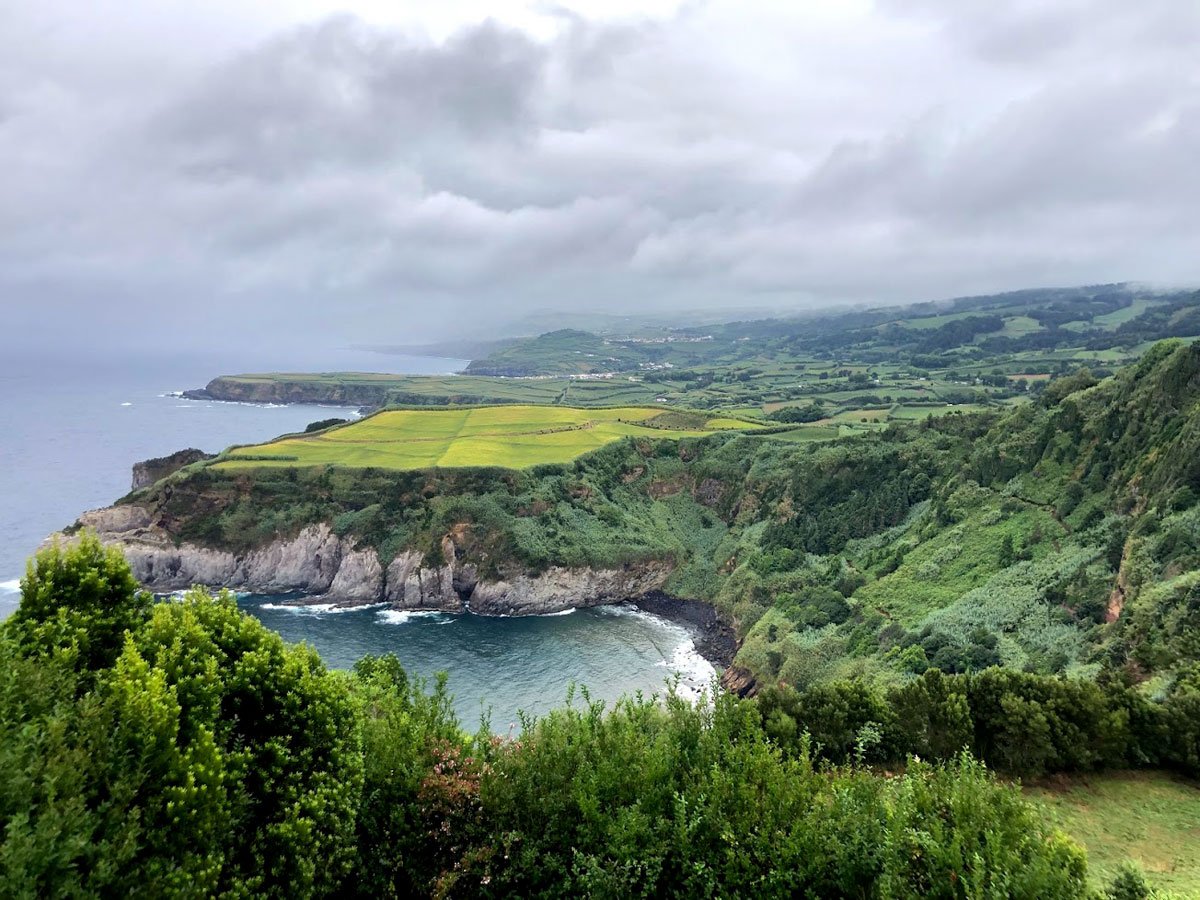
Your likely entry point to the Azores, São Miguel will naturally feature on your itinerary Both the Azores’ biggest and most developed (that’s a very relative term!), it’s a beautiful green island with plenty to explore.
The capital, Ponta Delgada has a pretty enough Old Town with its black-and-white mosaic artwork lining its streets – but that’s probably note what you came to the Azores for. So stay the night if you like, but I suggest prioritising the other parts of the island. As far as towns go, the town of Ribeira Grande across the island offers a quieter, more charming base.
So what to visit? Let’s get the obvious out of the way – the majestic Sete Cidades. The twin blue & green lakes set in an ancient crater are the islands’ postcard picture and certainly live up to it. On a clear day. As you’ll discover in the Azores, the weather changes all the time so you might arrive at the viewpoint only to find yourself in a cloud. There are plenty of view options, but I’d recommend Miradouro da Vista do Rei. Why? Because you’ll also find an abandoned, overgrown hotel Monte Palace, which you can explore (at your own risk!) and get that ultimate view of the lakes as the hoteliers once envisioned.
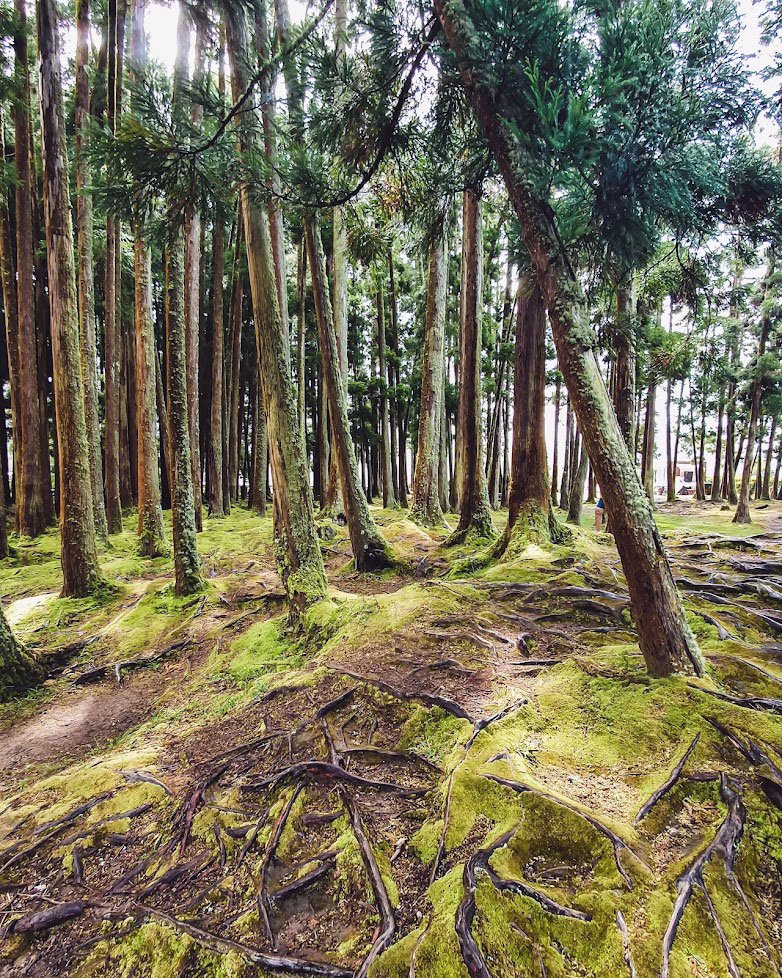
My favourite memory of São Miguel was at the other end, at Furnas. There, in beautiful crater lake surroundings, Iceland-like views prevail. Clouds of vapour steam away amongs the bubbling geothermal springs, and amongst all this someone’s lunch is slowly cooking away in the volcanic heat. That’s right, local restaurants specialise in Cozido das Furnas – a slow-cooked mixed meat & veg stew placed in underground cells and cooked by nothing but the steam from the Earth’s. The result is a hearty, tender dish served in the pretty town of Furnas, but its really more about the one-of-a-kind experience! Make sure to book your Cozido ahead.
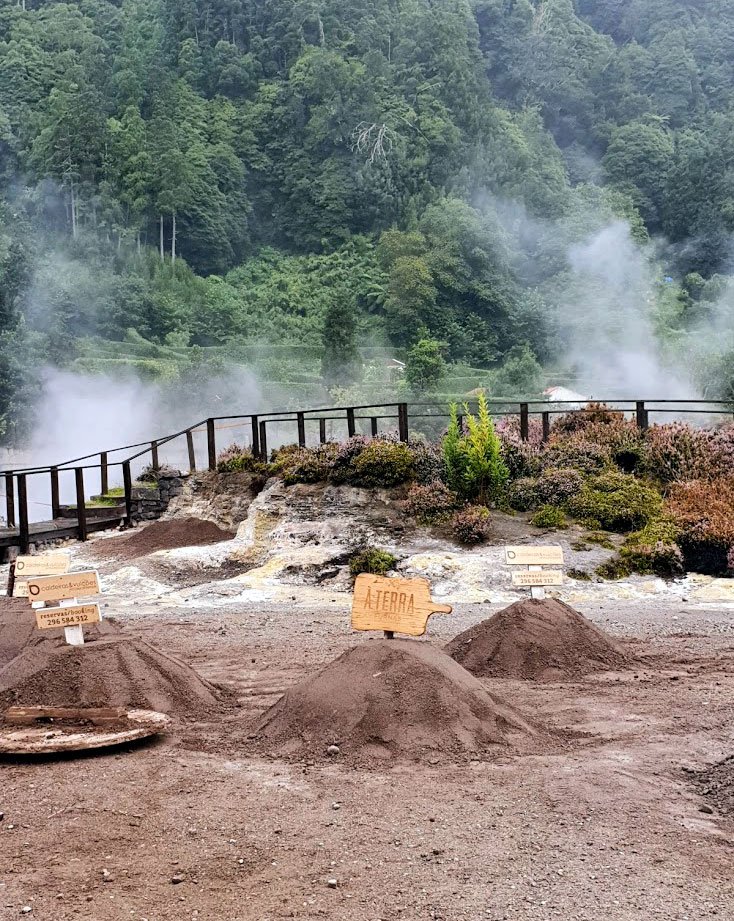
Also in Furnas is the magnificent Parque Terra Nostra. The word “park” undersells it – for me it blows the normal parks out of the water. With myriads of paths, a huge variety of flora, jungle-like scenery and public thermal baths, you can probably spend the best part of the day here. Talking of thermal baths, São Miguel’s other highlight is surely enjoying some of the outdoor hot springs dotted across the island – many surrounded by forest. Take your pick, but book ahead to avoid disappointment!
Amongst the other places that stand out are Europe’s only tea plantations. Spread along the Northern coast high above the cliffs, its views from Miradouro de Santa Iria are some of the most impressive even for the Azores. Once brought over by traders from India, The Tea Porto Formosso and Gorreana Tea Factory are now the only two remaining tea factories, both offering tours.
N.B. I’ve excluded the Southernmost island of Santa Maria from the review as it’s mostly all about beaches. So if you feel like a beach holiday, Santa Maria is your best bet.
Central Azores Islands
Pico Island
Perfect for: wine lovers, volcano hiking, whale watching

Home to Portugal’s tallest mountain of the same name, Pico has that classic volcano shape that you’d sketch in a drawing. Fun fact: if you drained the ocean, it would be nearly as tall as Mount Everest. But back above the water, the 2,351m peak makes for the “must-do” activities on the island – climbing Mount Pico.
It’s a fairly steep hike on often-loose volcanic surface and like with everything else on the Azores, heavily depends on weather. We were unlucky to miss out after the hike was cancelled due to weather conditions on the day – so can’t share my experience. Pico’s peak, sporting its near-constant chapeau of clouds, remains a mysterious character until next time.
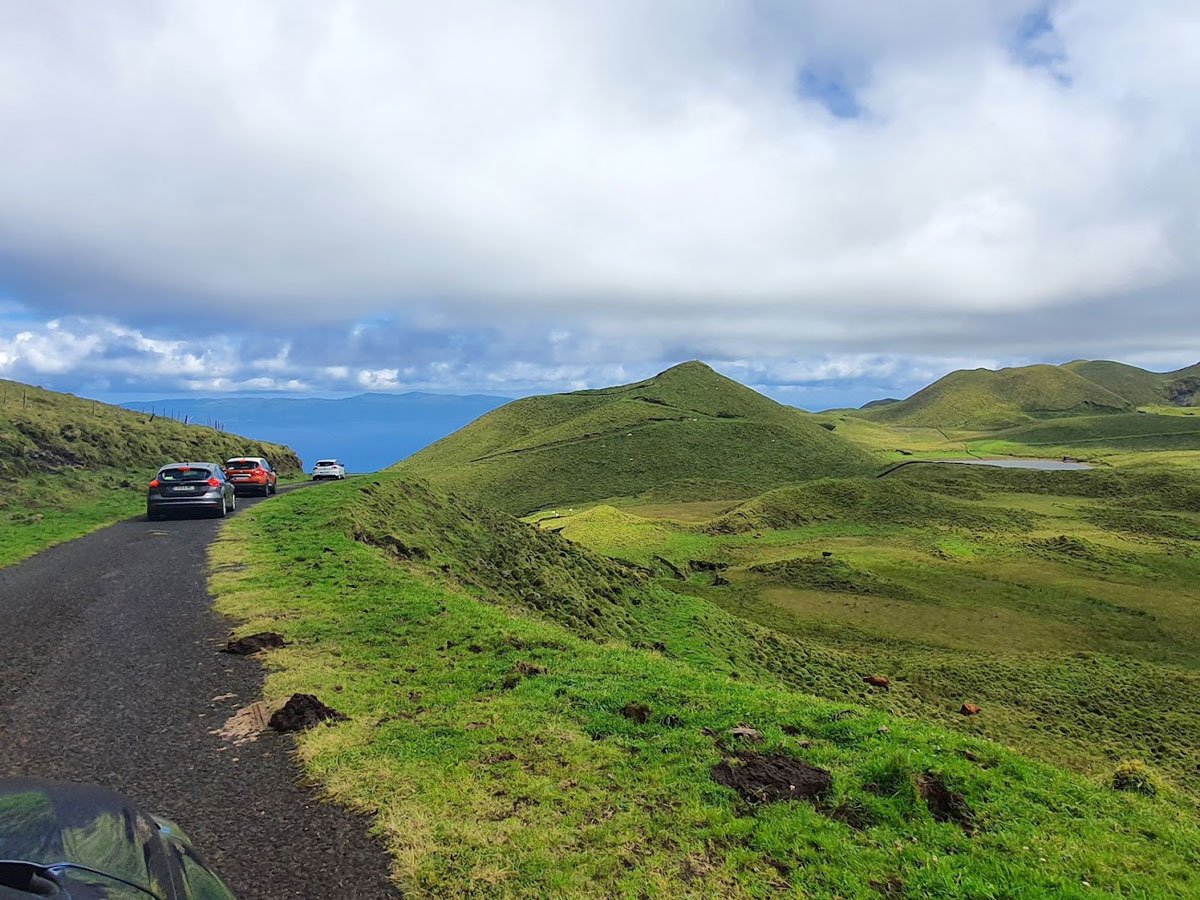
On the more relaxing end of the Pico activity spectrum, it’s all about the wine. The Azores’ youngest island is covered in seemingly endless labyrinths of stone walls, all with the aim of protecting its short vines from the brutal and harsh Atlantic winds. The vineyards here are so unique that UNESCO called it a World Heritage Region. Of course, where there’s wine there are wine tasting tours, and Pico has a few to choose from. So take your pick and be sure to try the fortified licoroso wines, a local specialty.
Then there’s whale watching. With ~20 species of whales and dolphins in the local waters, you might just spot some with a little luck. Boats can be arranged from the ferry town of Madalena or Lajes do Pico.
As for everything in between these activities, just driving across and around Pico is almost constantly spectacular. So definitely rent a car if you can!
How to get to Pico Island
Direct flights with SATA Air Açores from Ponta Delgada as well as easy ferry connections to Faial and São Jorge.
Faial Island
Perfect for: sailing heritage, whale watching, crater hikes, abandoned settlements

Faial is an easy 30-minute ferry hop from Pico, combining perfectly with its neighbour in your itinerary. The Picoense joke that the best thing about Faial is the view of Pico, but in seriousness the island impresses as the one with the most variety for its size. From the Azores’ prettiest town of Horta on one end to Mars-like scenery at the other and with Jurassic-like crater vistas inbetween, there is plenty to see.
Unlike the Azorean “metropolis” of Ponta Delgada, Faial’s main town of Horta is high on charm, history and a certain sense of luxury. Its biggest draw is the sailing heritage. Horta is known as the Atlantic sailing capital – a welcome safe harbour for yachtsmen making the testing Transatlantic journey between Europe and the Americas. This legacy is everywhere: from the iconic Peter Cafe Sport (probably the most famous yachting cafe in the world), to the harbour itself. Every yacht passing through Horta draws a ‘postcard’ on the harbour floor and walls, resulting in what is now over 10,000 drawings all along the marina. This makes for a fascinating walk through time.
Like Pico, Horta is a fantastic base for whale watching. We took a trip with Azores Experiences and got lucky to spend time observing a family of sperm whales just a few meters away from the boat (actually seeing whales on the day is by no means guaranteed!).
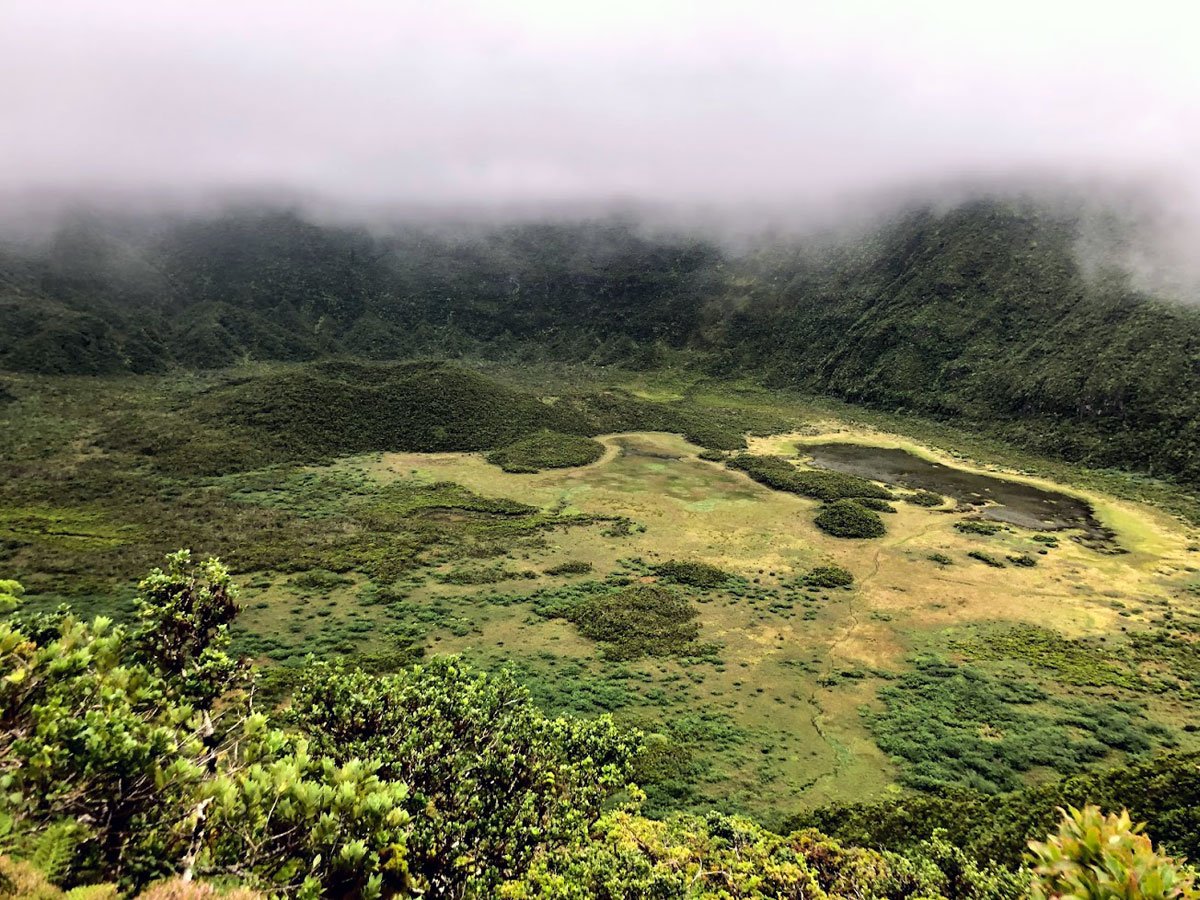
At its centre the island features a huge, deep crater simply named the Caldeira. If the weather allows, take a walk along the rim for the incredible views of Faial and its neighbour islands. Or better still hike down to the lake at the bottom. The trail is a little slippery when wet but worth it for the time-travel to another era.
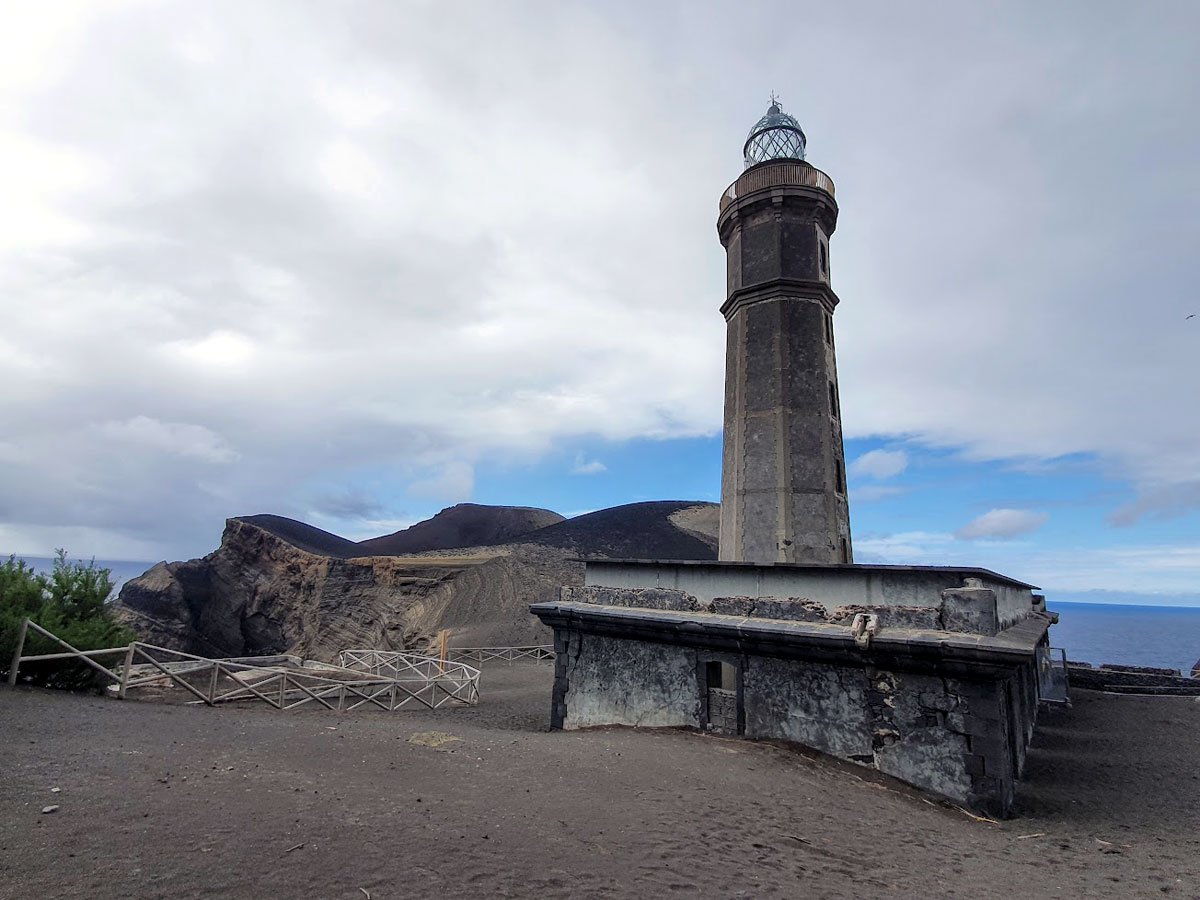
Up North in Capelinhos, you’ll experience some of Faial’s more sorrowful history. This barren, Mars-like area contrasts so much to the floral, vividly-green centre of the island. It’s a brand new part of the island, formed by a 1957 eruption that destroyed 2 villages and led to mass migration away from the island. The sole structure still standing is the abandoned lighthouse – an iconic symbol of the event. Once built on the cliff-edge, the charred Ponta dos Capelinhos looks out of place surrounded by new land created in the eruption. This certainly doesn’t take away from the dramatic landscapes you will enjoy in this landscape.
How to get to Faial Island
Besides the ferries from Pico, Sao Jorge and Flores, The island’s Horta Airport (with a gorgeous rooftop cafe view of the runway) has direct connections to Ponta Delgada and Lisbon with SATA.
Graciosa Island
Perfect for: tranquil, rural off-the-beaten path travel, dramatic coastal views, volcanic caves, star-shaped pastries
While the Azores are hardly “on the beaten path” as it is, if you really want to venture away from the typical itineraries into simple, quiet life then Graciosa is your island. One of the archipelago’s smallest, the “graceful” island even has its own answer to Portugal’s famous “Pastel de nata” custard cakes. The delicate, star-shaped “Queijadas de Graciosa” are now one of Azores most famed exports.
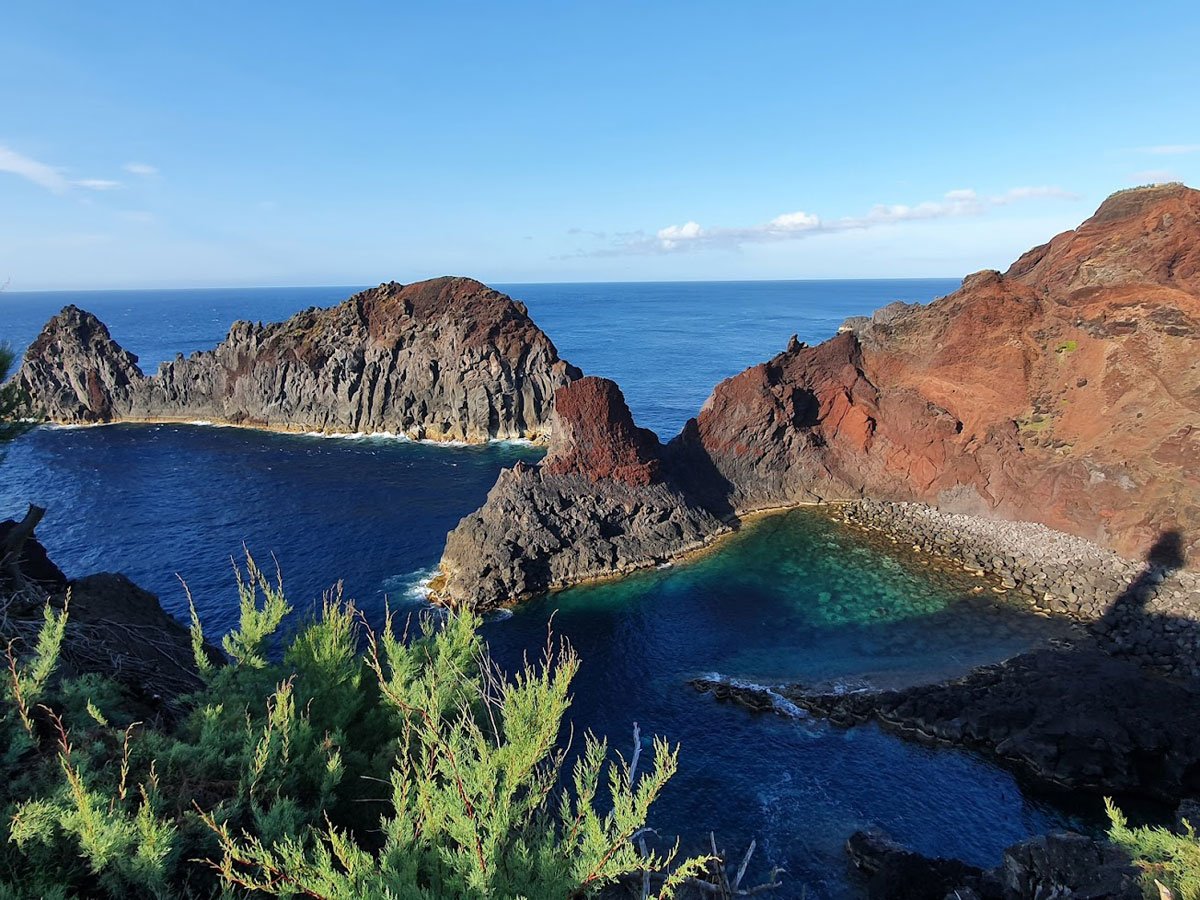
As you munch away on pastries, there’s plenty to do on the island for a couple days. On the North end you have the uncannily whale-shaped Ilhea da Baleia islet, right next to the Azores’ highest tower – the lighthouse Farol da Ponta da Barca. The South is dominated by a forest-covered crater. Here you can enjoy a scenic walk along its rim, before exploring the lava tunnels back down in the Caldeira’s heart. Just driving along the circular coastal road reveals countless “Miradouros” – explore, enjoy, walk around!

Azores may not be known for sandy beaches, but there are exceptions. Praia de São Mateus in the town of Praia (which literally means beach) offers fine dark sand, pleasant views of the white-washed houses and surprisingly calm warm Atlantic waters – at least in August.
How to get to Graciosa Island
Graciosa is reachable by plane from the capital Ponta Delgada typically with a quick stopover in Terceira. Main ferries run to Terceira and Sao Jorge.
Western Azores Islands
Flores Island
Perfect for: Outstandingly beautiful scenery, complete getaway from the world, swimming in waterfalls

Flores is without doubt my personal favourite of the Azores islands.
The Western-most point of Europe, you’d be hard-pressed to find so much beauty compressed into this modestly-sized island just about anywhere on Earth. Crater lakes, jaw-droppingly beautiful waterfalls, stunning cliffs, endless green hills covered in flowers – Flores is special.
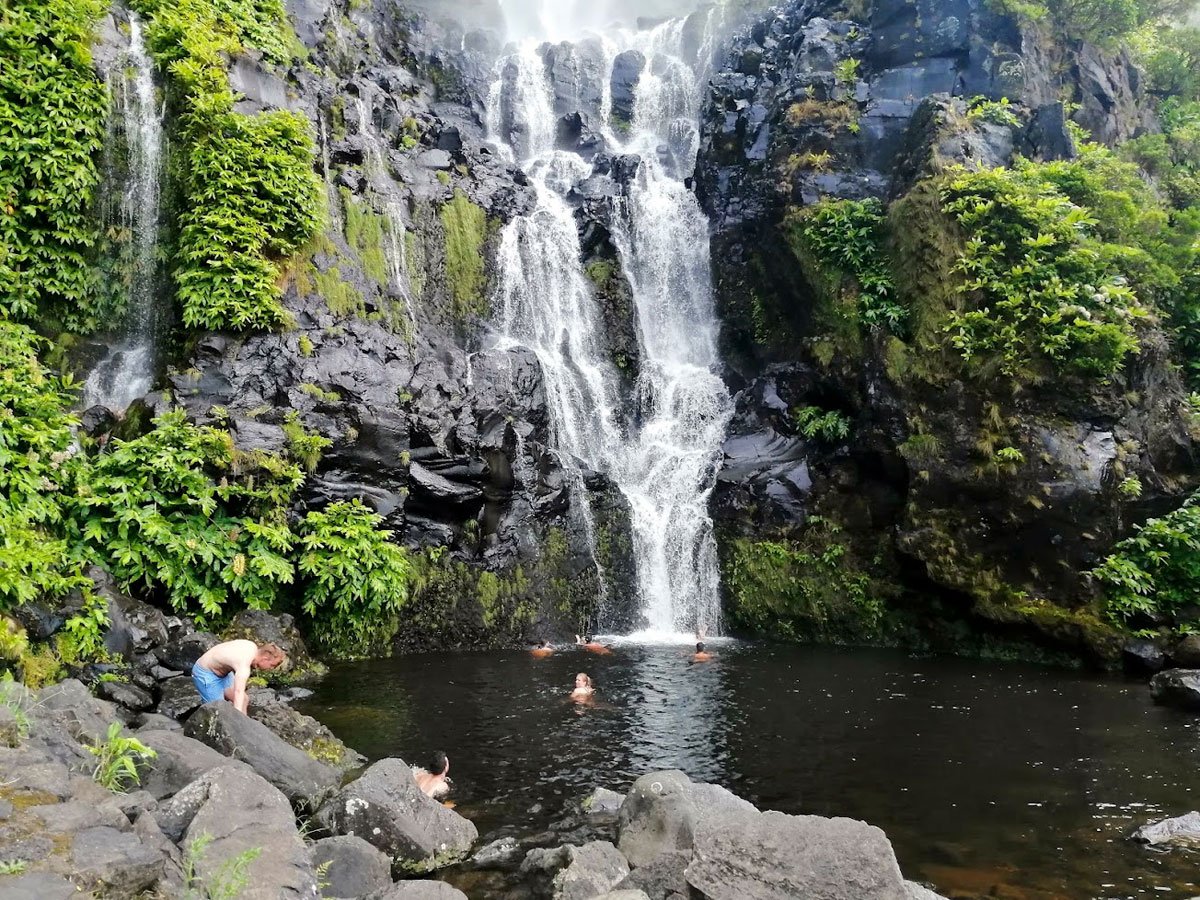
Flores is named after the abundant floral scapes across the island to complement its unthinkably vivid green beauty. It felt like the greenest island of the Azores although this does mean it rains a little more often here than on most other islands. I mean, something has to keep all those waterfalls going right? Talking of waterfalls, the signature Flores scenery are surely the Avatar-esque waterfalls in the West of the island – like those at Poco do Ribeira do Ferreiro. You can even swim in the rockpools of some waterfalls, like the Cascata do Poco do Bacalhau near the beach on Faja Grande.
In the island’s centre are the two contrasting natural crater lakes of Lagoa Negra (actually green rather than black as the name would suggest) and Lagoa Comprida. The views here are surreal, and a circular trail gives an option to enjoy the area for longer.

Flores is sparsely-populated – there are probably 3 cows for every person – so while this means there isn’t much going on, it makes for a perfect remote getaway from the busy urban world. And as far as somewhere to stay, it’s hard to beat an abandoned settler village converted into a hotel at the one-of-a-kind Aldeia da Cuada. With the dreamy waterfalls in the background and cows grazing outside your cottage, it’s hard to top the setting.
How to get to Flores Island
Getting to Flores takes a little longer as it’s the farthest out along with Corvo, meaning plane (SATA Air Açores) is by far the best option with connections to Ponta Delgada as well as the central islands of Terceira and Horta.
Corvo Island
Perfect for: Sleepy village vibes, day trip to a stunning crater lake

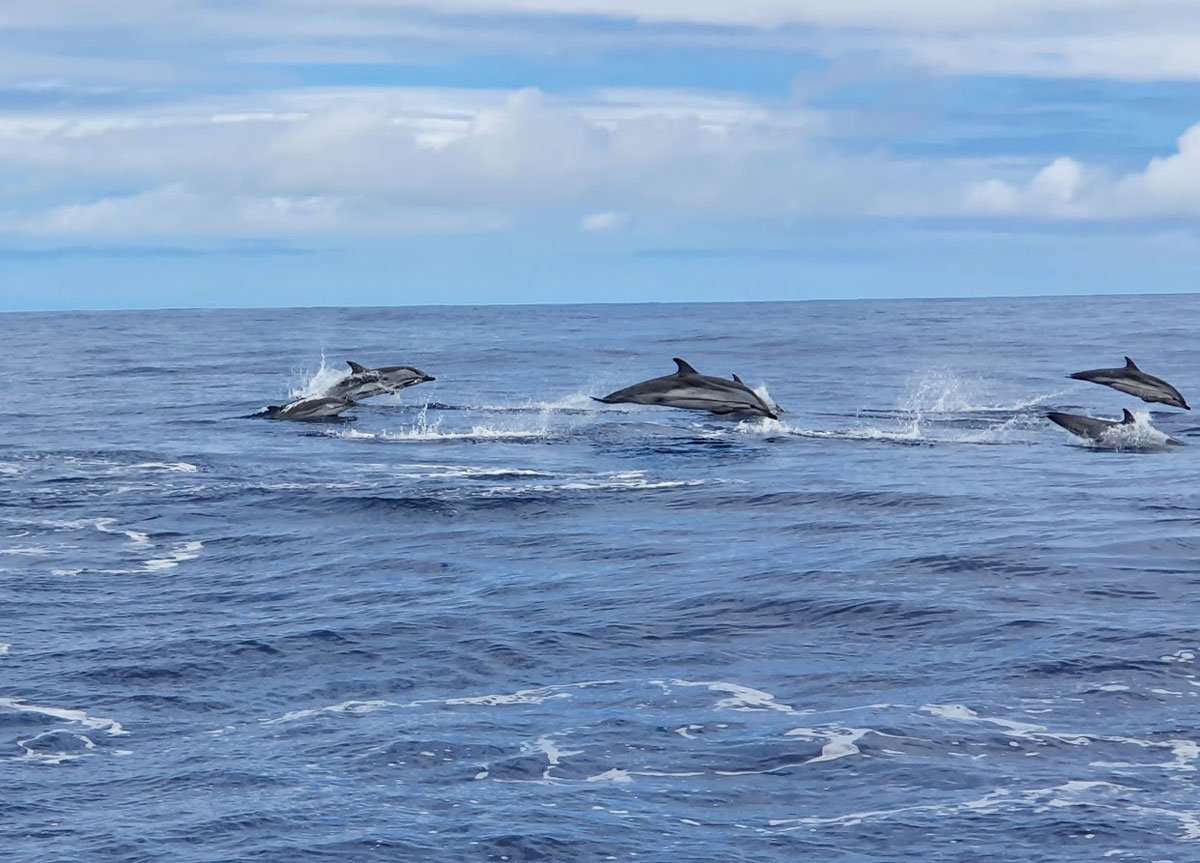
If the sea is friendly, definitely get on a boat trip to the smallest of the Azorean family – Corvo. You can take the Altanticoline ferry from Flores, but I recommend the private speedboat. The captain took us on an exhilarating trip right along the Northern cliffs of Flores on the way there, and sped along a giant pod of dolphins on the way back. Probably the best €35 I spent on the trip.
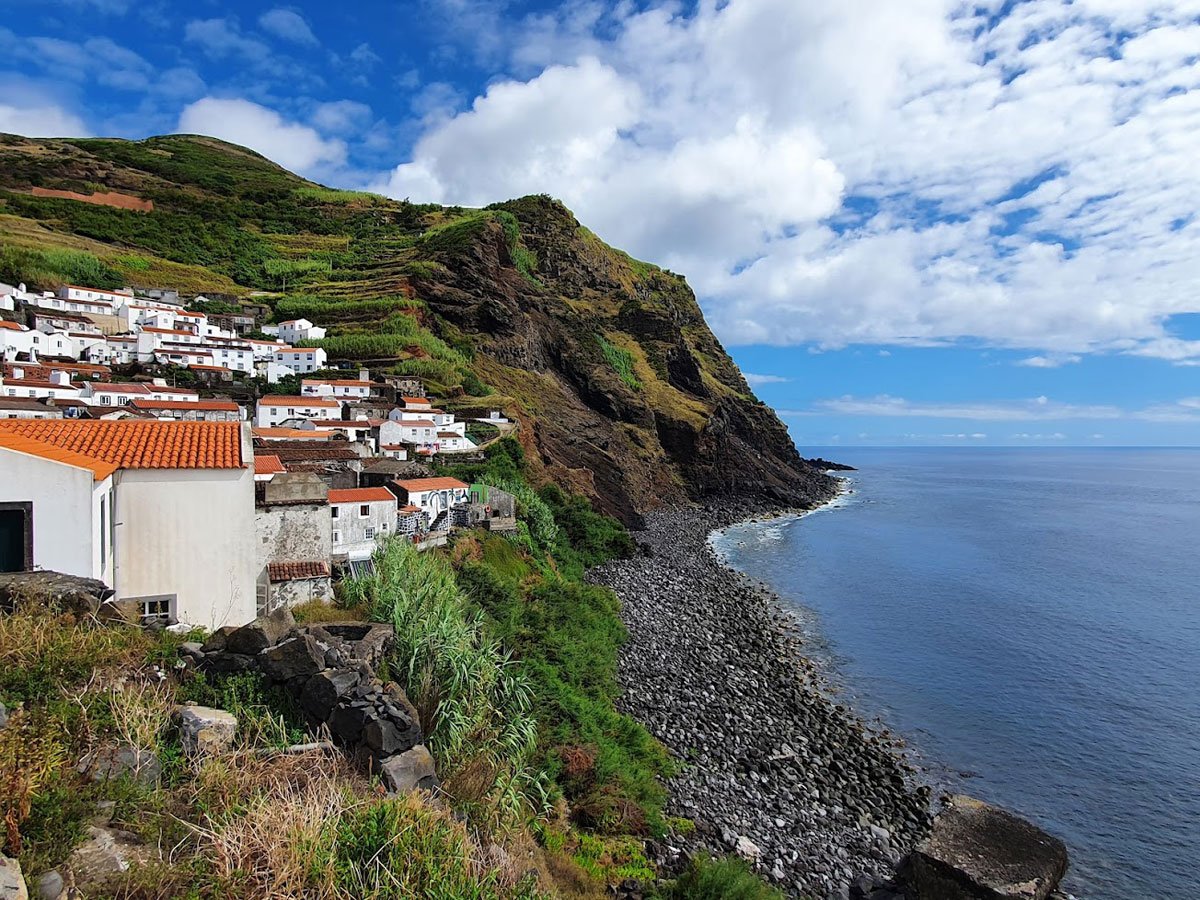
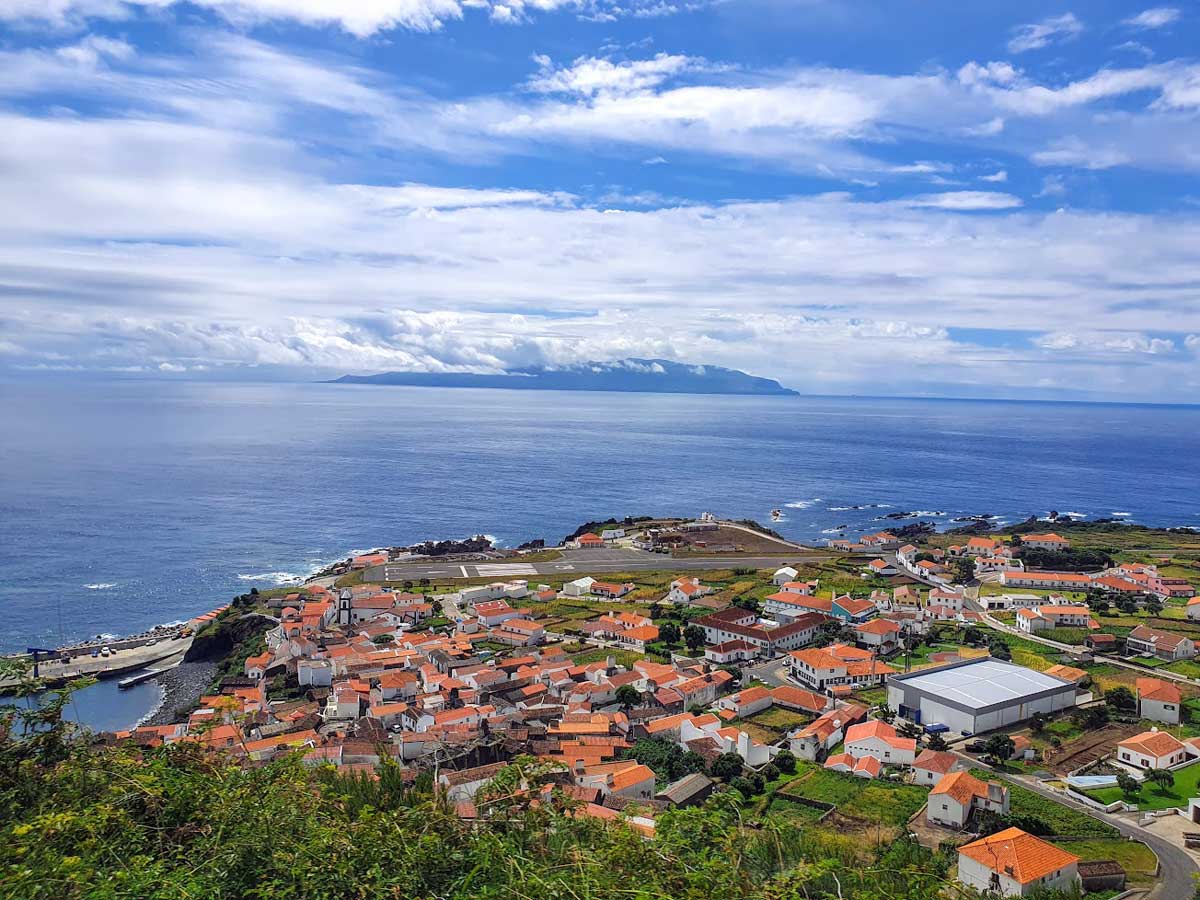
Corvo itself is basically the tip of a volcano. The picturesque Vila Do Corvo, nestled on the volcano’s slope and Corvo’s only village, is as laidback as it gets. Population under 400, it still manages to have its own airport, a couple hotels and a little museum telling its story.
But the big draw is the Caldeira – an incredible crater just a 5-minute drive up to the rim (arrange with Corvo Travel, or otherwise it’s also walkable if you’re up for it). Azores isn’t short of craters, but Corvo’s is probably the finest. Let the picture say the rest.
How to get to Corvo Island
Private speedboat tours from neighbouring Flores are the most fun way of getting to Corvo – organising your travel to/from Flores for a day trip. Ferries also depart from Lajes das Flores port in the southeast of Flores.
Corvo does have its own small airport, too – so if you’re not already in Flores you can get a flight and enjoy a very scenic landing directly from Ponta Delgada, Horta or Terceira.
Azores Island-Hopping Itinerary:
The following suggestions assume you’ll be entering and leaving through Ponta Delgada, as most do. However it’s possible to start in Faial or Pico with a Lisbon connection using SATA/Azores Airlines.
Azores 7 Day Itinerary 1: Craters, waterfalls & edge of the world
- São Miguel: 4 days
- Flores & Corvo: 3 days
Azores 7 Day Itinerary 2: Wines, volcanoes & whales
- São Miguel: 3 days
- Pico: 2 days
- Faial: 2 days
Azores 10-Day Itinerary: 5 island hopping (fairly intense!)
- São Miguel: 3 days
- Pico: 2 days
- Faial: 2 days
- Flores & Corvo: 3 days
Azores 2-Week Itinerary: 6 island hopping adventure
- São Miguel: 4 days
- Graciosa: 2 days
- Pico: 2 days
- Faial: 2 days
- Flores & Corvo: 3 days
Azores Travel Tips: Where to Visit, How to Get Around & Book Ahead
What’s the Best Time to Visit Azores?
In Azores, you and most of your activities are at the weather’s mercy.
Like Scotland, a place so green is green for a reason and regardless of season it can rain or cloud up any time. This can mean cancelled hikes, whale watching trips, ferries, flights. The latter is far less likely in the summer months, so ideally visit Azores between June and September. The ever-changing weather also means that a very short stay on an island increases the risk of missing out on the activity if you don’t have a ‘reserve day’ for it.
When the low clouds roll in, most of the epic views turn into little more than a wall of grey. For this, get the Spotazores app: this lets you see live cam views across the different islands so you can save the effort of getting to one just to see nothing.
Given this turbulent weather, always bring waterproofs, sunnies, sunscreen and the right footwear. There isn’t much point in umbrellas as the rain can get horizontal and you might just end up getting blown onto another island.
Book Ahead of Visiting Azores!
If visiting in summer, last minute doesn’t work well in the Azores. This is no mass tourism destination so with limited accommodation, venues and flights on smallish planes, planning and booking ahead is often essential. Especially in light of Covid restrictions we endured at the time, and if coming in August.
Besides the flights, hotels and ferries, this applies to thermal springs, popular restaurants (like those in Furnas offering volcano-cooked meals) and hikes that have entry limits like the Pico ascent.
How do I hop between the Azores Islands?
Get an Azores Air Pass.
If you’re visiting a few of the islands, buying tickets separately quickly adds up as Air Azores are no low-cost carrier. The best option for this is the Azores Air Pass, which essentially allows you to travel to unlimited destinations provided you follow a few rules set out here. This can well come in cheaper than buying tickets individually, and comes with a few perks. Keep in mind you still need to book the specific flights ahead of time.
How to Get Around Azores Islands
I strongly recommend hiring a car. Public transport on the islands is minimal, especially outside of São Miguel. This means a car (or at least a moped) is pretty much essential.
Traffic is minimal, roads are mostly in good conditions, although the ascends can get a little steep for the tiny-engine cars you’re likely to get. So ask for one with a reasonably-sized engine, preferably diesel.
How many days do you need to explore the Azores?
To get the most of Azores without rushing, I recommend 10 to 14 days for island hopping. But you could also do it in a week and pick a couple islands to explore.
I’ve suggested 4 Azores itineraries above with 7-day, 10-day and 14-day options so you can pick according to the time you have and your travel preferences.
So there you have it – hopefully it’s now easier for you to plan an incredible island hopping trip across the Azores. If you have any questions about the best islands to visit on Azores or additional hidden gem place suggestions, leave a comment below. Have an epic trip!


1 Comment
Michela S.
We were a bit lost deciding which Azores islands to choose so the itinerary suggestions are super helpful. Flores looks unreal and is now definitely on our list!